The Director-General of the National Information Technology Development Agency (NITDA), Kashifu Inuwa Abdullahi, CCE, has said that closing the gender gap in Nigeria’s digital ecosystem could boost the country’s Gross Domestic Product (GDP) by over $13 billion in the next decade.
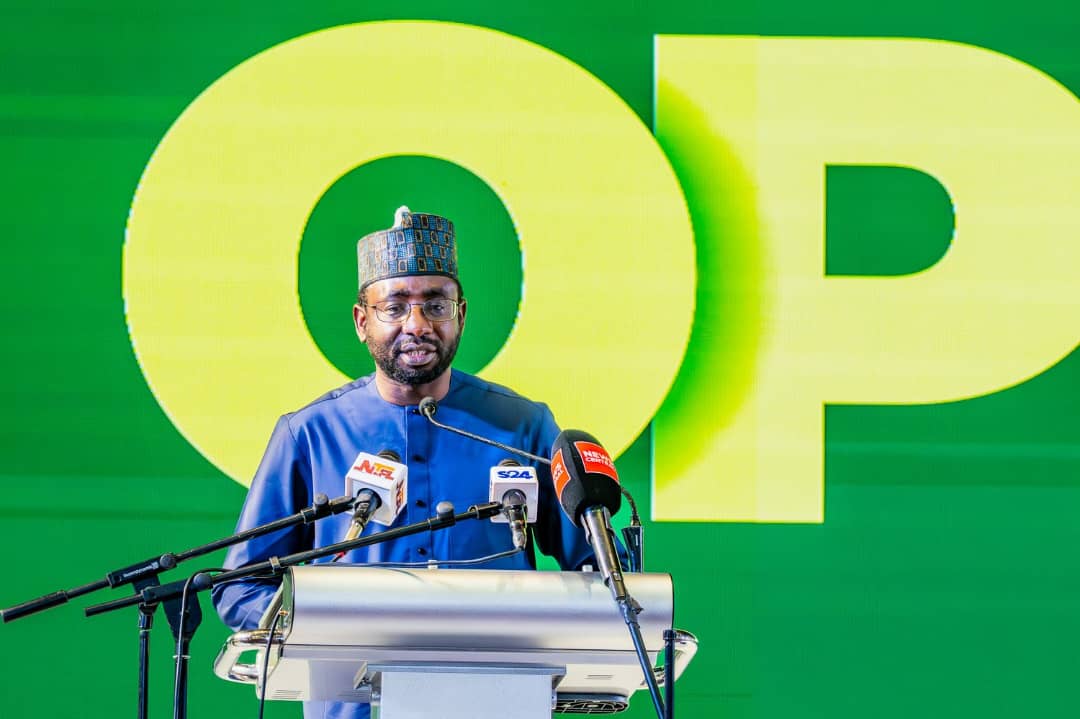
Inuwa’s remarks were delivered on his behalf by Mrs Victoria Fabunmi, National Coordinator, Office of Nigerian Digital Innovation (ONDI), a subsidiary of NITDA—during the Women’s Breakfast Meeting at the Digital Nigeria International Conference and Exhibition (DNICE 2025) in Abuja.
The event, themed “Building Strategic Partnerships for the Funding and Advancement of Women in Technology,” convened women innovators, policymakers, and industry leaders to explore ways to increase female participation in Nigeria’s digital economy.
Representing the DG, Mrs Fabunmi said empowering women to create, innovate, and lead in the digital space would have a transformative impact on national development.
“When women thrive in the digital economy, the entire nation prospers,” she noted, quoting Inuwa. “Bridging the gender digital divide could add over $13 billion to Nigeria’s GDP in the coming decade.”
She explained that despite women’s strong performance in entrepreneurship and repayment records, they continue to face limited access to funding and investment opportunities.
Citing data from Briter Bridges, she disclosed that only 1.5% of startup funding in Africa in the first half of 2025 went to companies with female CEOs, while 9% went to startups with at least one female founder.
Inuwa, through his representative, called for stronger partnerships among government, private investors, and development partners to unlock capital, mentorship, and opportunities for women-led startups.
He also highlighted several NITDA-led initiatives addressing gender disparities in technology, including the IgniteHer Bootcamp (in collaboration with the Japan International Cooperation Agency – JICA), the Female Founders Training (FFT), the Renewed Hope Initiative with the Office of the First Lady, and the Gina Mata, Gina Al-Umma programme with the World Bank.
“These programmes have empowered hundreds of women with digital and entrepreneurial skills, giving them the confidence and capacity to scale their innovations,” the DG stated. “But true transformation requires ecosystems that sustain and fund women’s ideas.”
Inuwa reaffirmed NITDA’s commitment to implementing the National Gender Digital Inclusion Strategy (NGDIS), aimed at ensuring women and girls have equal access to digital tools, resources, and opportunities.
He urged stakeholders to see the meeting not merely as a conversation but as a collective call to action.
“This is a commitment to fund, mentor, and amplify women in technology,” he added. “Let this gathering set the tone for stronger partnerships, greater accountability, and measurable progress toward a digitally inclusive Nigeria.”