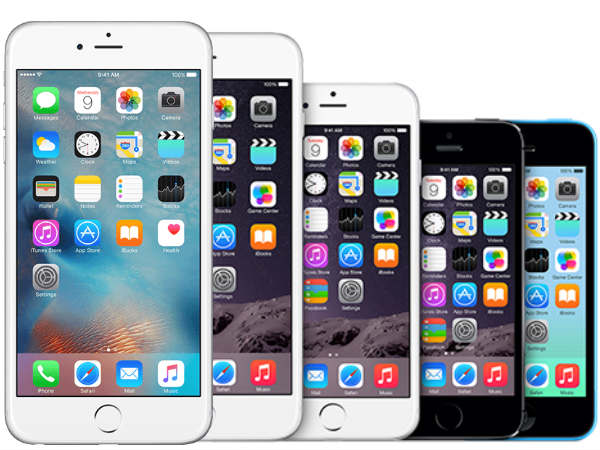
FEATURE: Why Older iPhones Are No Longer Worth Buying
By Abbas Badmus,
Holding on to an older iPhone can feel like a practical or even nostalgic choice, especially for users who appreciate the minimalist design and simplicity of earlier devices from Apple Inc.. However, in 2026, relying on ageing models is increasingly impractical due to a mix of software, hardware, and security limitations.
As iPhones get older, they gradually fall behind in software support. Newer versions of iOS are no longer compatible with many legacy models, which means users miss out on updated features, improved performance, and most importantly, essential security enhancements. Over time, this gap can lead to reduced app functionality, slower performance, and heightened vulnerability to cyber threats.
Hardware longevity is another major concern. Once a device transitions into Apple’s “vintage” category, sourcing replacement components becomes more difficult. Repairs are no longer guaranteed, and even when available, they may be expensive or unreliable due to limited parts in circulation. This makes maintaining such devices increasingly challenging, particularly in markets where official support infrastructure is limited.
iPhone Models That Are No Longer Recommended
Apple has classified several iPhone models launched between 2015 and 2019 as vintage products. These devices, while still operational in many cases, are no longer considered ideal for everyday use:
* iPhone 6s (16GB, 64GB, 128GB)
* iPhone 6s Plus
* iPhone 7
* iPhone 7 Plus
* iPhone 7 (PRODUCT)RED
* iPhone 8 (64GB, 128GB, 256GB)
* iPhone 8 Plus (64GB, 128GB, 256GB)
* iPhone X
* iPhone XS
* iPhone XS Max
* iPhone 11 Pro
* iPhone 11 Pro Max
What “Vintage” Means for iPhone Users
Apple designates a device as “vintage” once it has been discontinued for more than five years but less than seven. Within this window, limited repair services may still be available but only if parts are accessible. After seven years, devices are classified as “obsolete,” at which point Apple typically discontinues all hardware servicing.
While certain countries may enforce extended repair obligations, this level of support is not universal. As a result, users in many regions may struggle to find authorised repairs or genuine replacement components.
The Practical Drawbacks of Using Older Models
Although many of these iPhones can still power on and perform basic functions, they are increasingly unsuitable for modern usage. Routine repairs can become difficult or even impossible, and minor hardware faults may render the device unusable.
More importantly, outdated software support raises serious security concerns. Without regular updates, these devices are more exposed to vulnerabilities, putting user data and privacy at risk. For individuals who rely on their smartphones for banking, communication, and work, this is a significant drawback.
In practical terms, investing in a newer, supported iPhone model is a more reliable and secure choice in 2026.