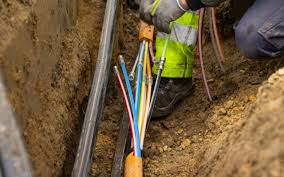
Telecommunications operators in Nigeria recorded a dramatic rise in fibre optic cable damage in January 2026, with incidents jumping 900% compared to December 2025, official data shows.
Analysis of reports from the Nigerian Communications Commission (NCC) revealed that fibre cuts increased from four cases in December to 40 in January, marking one of the steepest month-on-month spikes in recent years.
The surge comes despite the Federal Government’s 2024 designation of telecommunications infrastructure as Critical National Information Infrastructure (CNII), a policy aimed at protecting network assets from vandalism and accidental destruction.
The NCC reported that fibre cut incidents have continued into February, with 18 cases recorded between February 1 and 17, bringing the year-to-date total to 58 disruptions. About 90% of the incidents occurred in Abuja, with additional cases reported in Lagos, Enugu, Benue, Anambra, and Abia states. Affected operators include Backbone Connectivity Network (BCN), T2 (9mobile), Airtel, MTN, IPNX, and Layer 3.
In response to the spike, the NCC and Nigeria Security and Civil Defence Corps (NSCDC) issued a joint statement threatening to prosecute construction firms, contractors, and individuals responsible for damaging fibre cables. The agencies warned that avoidable fibre damage now constitutes a criminal offence under existing laws, including the Cybercrimes Prohibition, Prevention, etc. Act 2015.
“Future damage to fibre optic infrastructure caused by excavation, road construction, or any civil engineering activity conducted without due consultation or collaboration with network operators and relevant regulators will attract strict legal consequences,” the agencies said.
Telecom experts warn that continued disruptions pose a direct threat to national security, economic stability, and public safety as Nigeria increasingly relies on digital connectivity for commerce, governance, and public services.