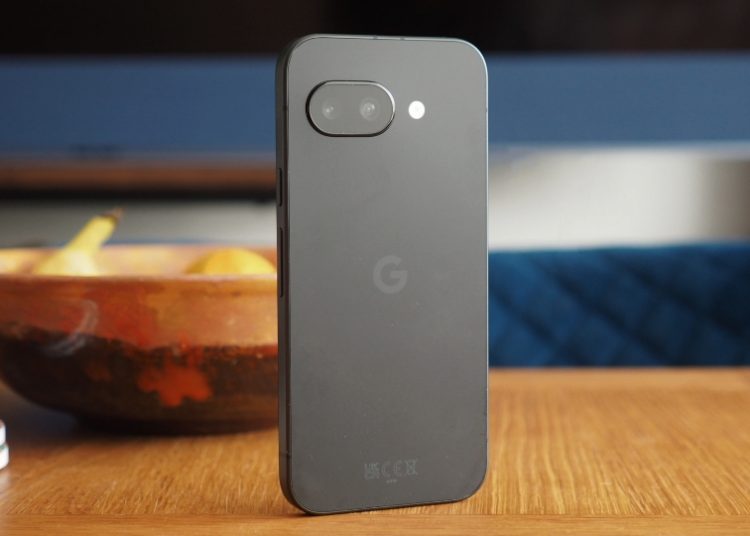
Google Launches Pixel 10a with Tensor G4, Gemini AI, 5,100mAh Battery
Google has officially launched its latest mid-range smartphone, the Google Pixel 10a, expanding the company’s popular A-series lineup that aims to deliver flagship-level features at a more affordable price.
The device was released on March 5 after weeks of speculation, following its initial announcement on February 18. Pre-orders opened shortly after the announcement, with early buyers offered incentives including the Google Pixel Buds 2a.
Priced from $499, the Pixel 10a enters the upper mid-range smartphone segment and costs about $100 less than the recently introduced Apple iPhone 17e from Apple, positioning it as a competitive option for consumers seeking advanced features without flagship pricing.
The new smartphone is designed to bring more users into Google’s growing artificial intelligence ecosystem. While the company’s premium Pixel models command higher prices, the A-series focuses on delivering key Pixel experiences—particularly AI tools and advanced camera software—at a lower cost.
Key Features
The Pixel 10a comes with a 6.3-inch Full HD+ OLED display with a 120Hz refresh rate, offering smoother scrolling and improved visual performance. It is powered by the Google Tensor G4 processor, paired with 8GB of RAM and storage options of 128GB or 256GB.
In terms of photography, the device features a 48-megapixel main camera and a 13-megapixel ultra-wide lens, while a 13-megapixel front camera supports selfies and video calls.
The smartphone is equipped with a 5,100mAh battery that supports both fast and wireless charging, and runs on Android 16. Google also promises up to seven years of Android and security updates, one of the longest software support windows currently available for Android devices.
AI Integration and Improvements
A major highlight of the Pixel 10a is its integration of AI-driven features powered by Google Gemini. These tools support smarter photography, enhanced image editing and other AI-assisted functions designed to improve everyday smartphone use.
The phone also introduces upgrades such as a larger battery and smoother display compared to earlier A-series models. Combined with the Tensor G4 chip and deeper Gemini integration, the device reflects Google’s broader strategy of embedding artificial intelligence across its hardware ecosystem.
Like previous Pixel models, the 10a continues the brand’s emphasis on computational photography, relying on advanced software processing to enhance camera performance.
Industry observers note that the Pixel 10a represents a refinement rather than a complete redesign of the A-series, following a similar design philosophy to its predecessor, the Google Pixel 9a.
Growing Competition in the Mid-Range Market
The launch also highlights a broader shift in the smartphone industry, where companies traditionally focused on premium devices are increasingly offering more affordable alternatives with high-end features.
By combining long-term software support, AI-powered tools and Google’s established camera technology, the Pixel 10a aims to deliver a balanced mid-range smartphone experience without the price tag typically associated with flagship models.