Misinformation and Digital Panic: How Social Media Shapes Banking Trust, by Shuaib S. Agaka
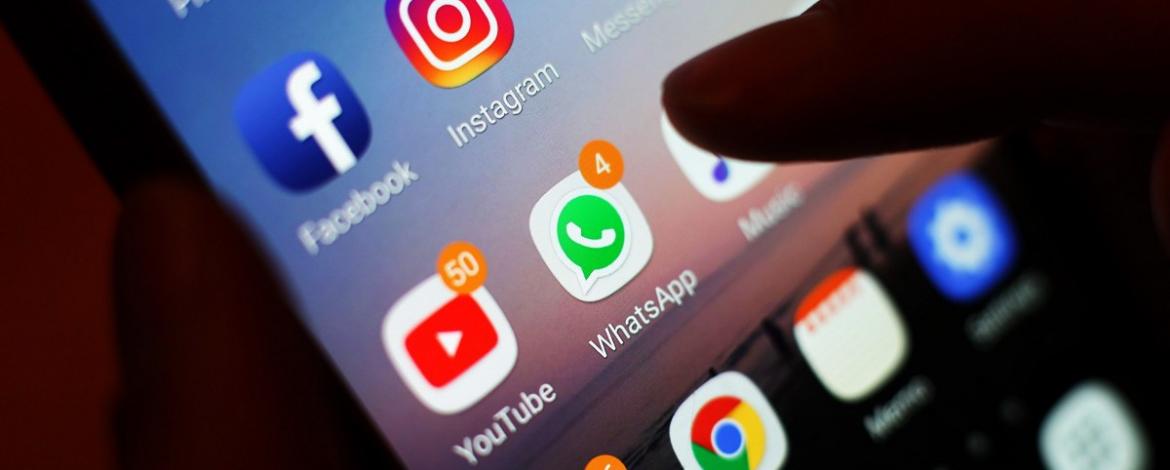
When the Central Bank of Nigeria (CBN) stepped forward this week to assure Nigerians that the banking sector remains “resilient, safe, and sound,” it was not just responding to a minor public relations hiccup. It was confronting a much bigger — and increasingly digital — battle: the war against financial misinformation in the age of viral content. In a statement signed by Hakama Sidi-Ali, Acting Director of Corporate Communications, the apex bank urged Nigerians to ignore sensational or unverified claims about banks, stressing that depositors’ funds were secure. The timing of the statement was telling. In an era where a single tweet, WhatsApp broadcast, or TikTok video can cause mass panic, maintaining public trust is now as much about managing digital narratives as it is about sound fiscal policy.
In the past, banking stability was threatened mainly by economic downturns, bad loans, or poor regulation. Today, the threat can start with something as simple as a viral screenshot of a “bank closure notice” — fake or not. Social media collapses the distance between rumor and reality, turning hours of speculation into minutes of chaos. Financial analysts often point to the 2023 collapse of Silicon Valley Bank in the United States, where a Twitter-fueled panic helped trigger one of the fastest bank runs in history. The lesson for Nigerian regulators is clear: information spreads faster than confidence can be restored.
Banking depends heavily on trust, and misinformation is a direct attack on that foundation. If customers believe a bank is unstable — even without evidence — they may rush to withdraw funds, creating a crisis where none existed. This is known as a self-fulfilling prophecy. The CBN’s statement was an attempt to short-circuit that process by addressing concerns early, directly, and through official channels. In Nigeria, where over half of internet users get their news from social media, the risk is magnified. A single viral voice note on WhatsApp can outpace official press releases, leaving banks and regulators struggling to catch up.
Stopping financial misinformation requires more than just press statements; it demands real-time monitoring and technology-driven response systems. Around the world, regulators and banks are experimenting with solutions that could strengthen Nigeria’s digital resilience. Artificial intelligence-powered social listening tools can scan millions of online posts in real time, flagging harmful claims about banks so that corrective information can be deployed before panic sets in. Blockchain-based transparency systems could allow near-instant verification of a bank’s solvency through tamper-proof digital ledgers. Centralized banking apps could give customers direct, real-time updates from both the CBN and their banks, bypassing unreliable third-party channels. In theory, a well-integrated tech ecosystem could detect a harmful rumor the moment it appears online, issue clarifications instantly, and prevent destabilizing withdrawals.
The challenge for the CBN and financial institutions is to act faster than the rumor mill without sounding defensive. This calls for investment not only in digital infrastructure but also in communication teams capable of interpreting online trends, responding with clarity, and maintaining public confidence. Technology can provide the tools, but human decision-making and strategic messaging are equally important. As cyberpolicy researcher Chinenye Ude notes, banking trust is built on two pillars — transparency and speed — and while the technology exists, the human response must be just as agile.
The CBN’s latest reassurance may calm public nerves for now, but the long-term goal must be to build an anti-misinformation infrastructure for Nigeria’s financial sector. This would require cooperation with social media platforms to flag and remove false banking content quickly, training bank staff to identify early signs of coordinated disinformation campaigns, and launching public awareness initiatives to help citizens verify financial news before reacting. In the modern economy, protecting banking stability is no longer just about managing interest rates or ensuring liquidity; it is about managing information as carefully as capital.
The Nigerian banking sector may indeed be “safe and sound,” as the CBN insists, but in a hyper-connected world, safety is as much about controlling the digital story as it is about balancing the books. In that fight, every second — and every byte — counts.
Shuaib S. Agaka is a tech journalist based in Kano State