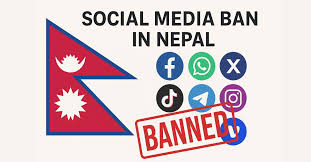
Nepal is facing its most intense political unrest in decades following the government’s decision to block 26 major social media platforms, including Facebook, Instagram, YouTube, WhatsApp, and X, for failing to comply with mandatory registration deadlines.
The restrictions, announced on September 4, were met with immediate outrage, particularly among young people who rely on these platforms for education, business, communication, and expression. Youth-led demonstrations quickly transformed into mass protests.
Violent clashes between protesters and security forces have left nearly 19 citizens dead and over 300 injured as of Tuesday. Troops were deployed to restore order, but protests intensified, with protesters setting fire to parliament, government buildings, and burning down the home of a former prime minister’s family. The unrest has also caused major disruptions—Kathmandu’s international airport shut down, leading to the diversion of several incoming flights.
Prime Minister KP Sharma Oli resigned amid the uprising, acknowledging the gravity of the situation. The government has since lifted the social media ban to ease tensions.
Protesters say the ban was the tipping point in a long battle against political corruption, nepotism, and economic hardship, particularly affecting youth who make up a growing percentage of Nepal’s population. Despite the ban being reversed, protesters continue to demand deeper reforms.