Nigeria is in advanced discussions with Alphabet Inc.’s Google over the deployment of a new undersea fibre-optic cable aimed at strengthening the country’s digital resilience, according to the National Information Technology Development Agency (NITDA).
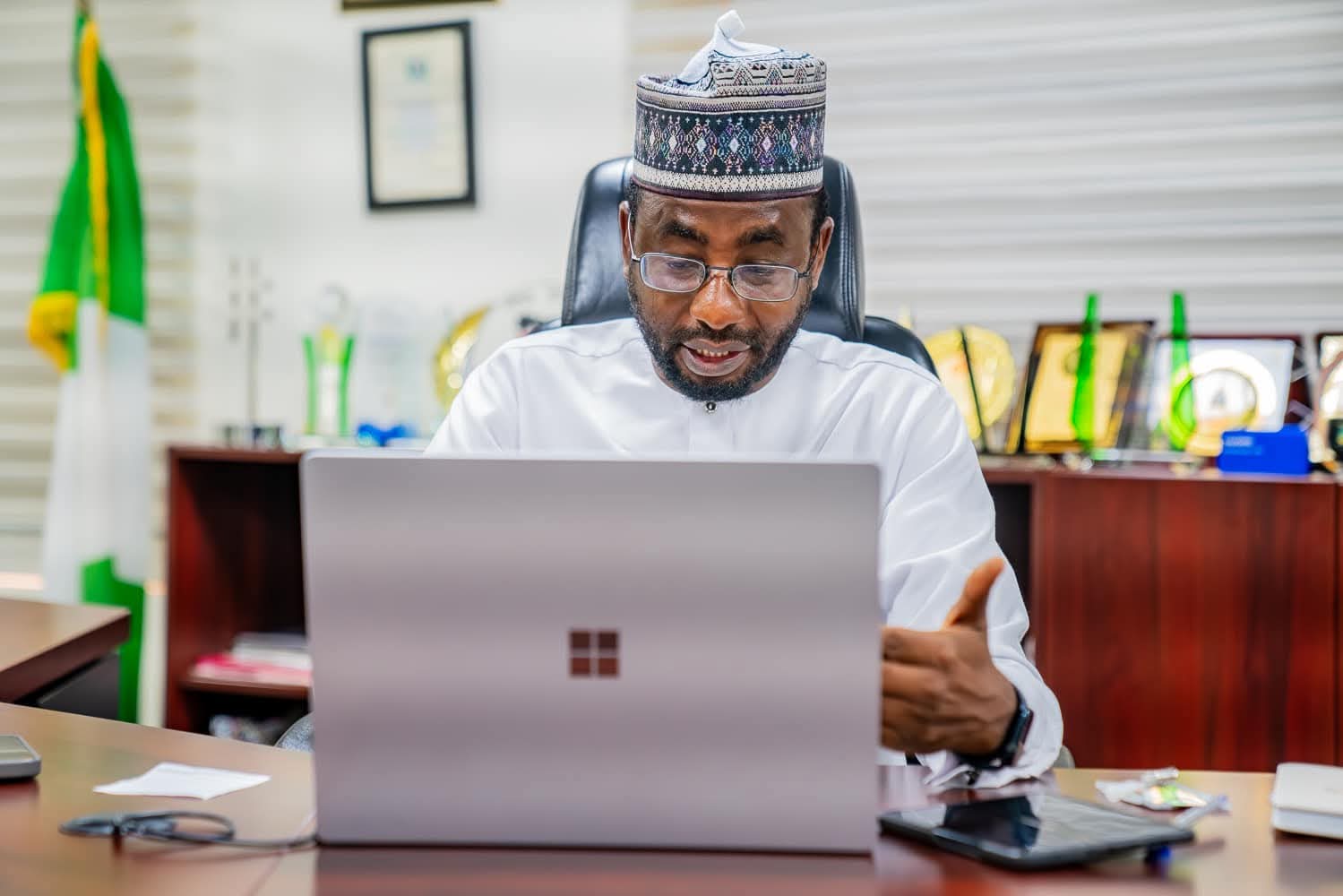
NITDA Director General and Chief Executive Officer Kashifu Inuwa disclosed the talks in an interview with Bloomberg, saying Nigeria’s reliance on undersea cables that follow similar routes poses a “single point of failure” for internet connectivity.
Disruptions along these routes, he said, could significantly affect access to digital services across the country.
Nigeria is seeking to complement existing subsea links connecting the country to Europe by adding new capacity and alternative routes to improve network resilience. A Google spokesperson confirmed that discussions with Nigeria are at an advanced stage but declined to provide further details.
Google had earlier announced plans to establish four new infrastructure hubs in Africa to support its undersea cable systems on the continent.
Beyond subsea connectivity, Inuwa said Nigeria is also engaging other global technology firms as part of a broader strategy to expand digital infrastructure, including cloud computing and high-performance computing capacity.
He said such investments could help position Nigeria as a regional digital hub, improve nationwide internet access, and drive economic growth in Africa’s most populous country.
Nigeria has experienced multiple internet disruptions in recent years due to damage to undersea cables. In March last year, businesses across the country were affected by outages linked to cable damage near Abidjan, Côte d’Ivoire, which disrupted major systems including WACS, ACE, MainOne, and SAT-3.
Following the incident, Nigeria called for a coordinated regional approach to protect shared telecommunications infrastructure and diversify connectivity routes.
The country currently hosts at least eight major undersea cable systems — including MainOne, SAT-3/WASC, Glo-2, ACE, WACS, Equiano, 2Africa, and NCSCS — landing primarily in Lagos and Akwa Ibom states. These cables underpin Nigeria’s 4G and 5G expansion and support the growth of data centres across the country.