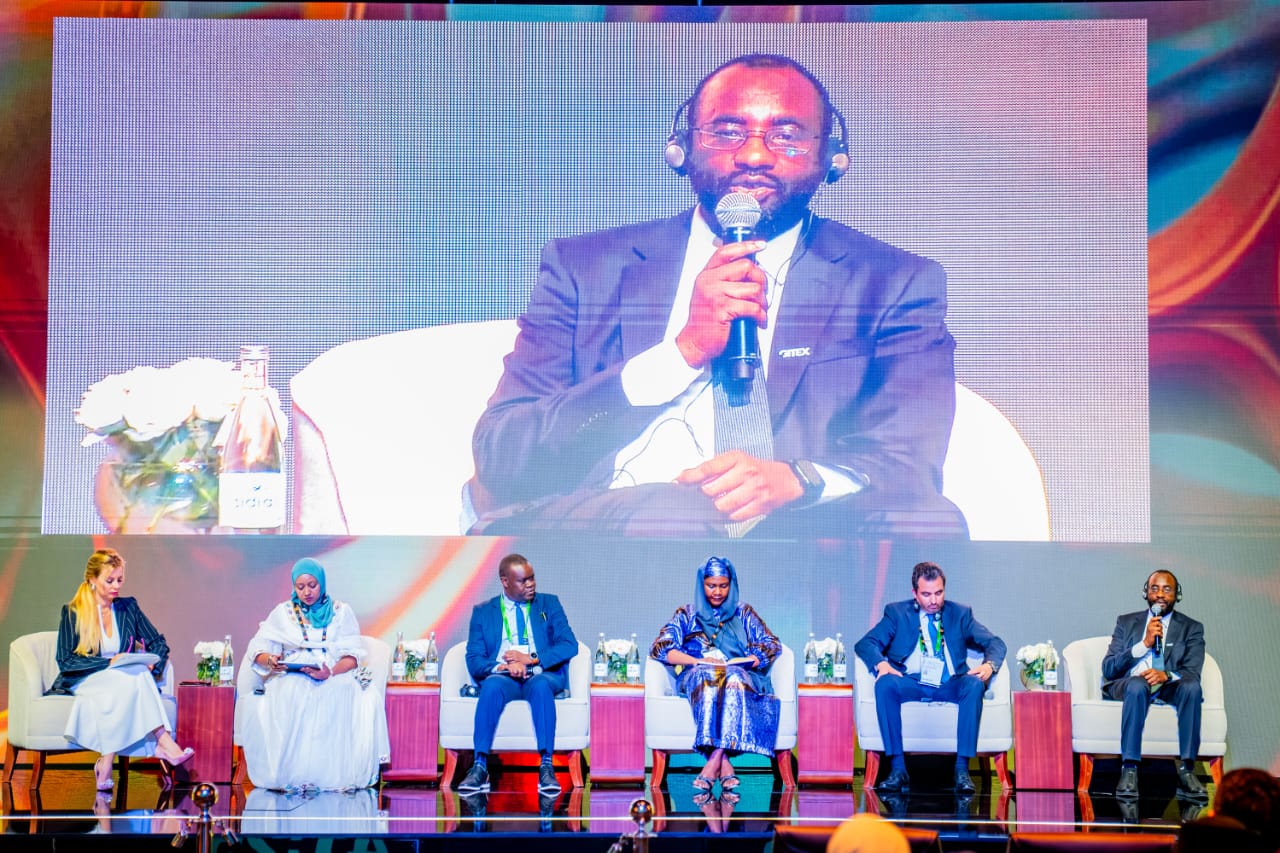
Nigeria is redefining its cybersecurity approach, moving beyond traditional technology-focused measures to a broader “Total Resilience” strategy that integrates people, policy and infrastructure in response to evolving digital threats.
The Director General of the National Information Technology Development Agency (NITDA), Kashifu Inuwa, outlined the shift at the GITEX Africa 2026, warning that artificial intelligence is reshaping the nature of cyberattacks.
Speaking during a panel on cyber resilience, Inuwa described the global digital environment as being at a “critical turning point,” noting that emerging technologies are transforming both economic systems and threat landscapes.
He said cybersecurity can no longer be treated as a purely technical issue but must be seen as a strategic priority for national development, requiring a multi-dimensional response involving governance, institutions and citizens.
According to Inuwa, Nigeria’s strategy is increasingly focused on human capacity, citing data that suggests up to 95 per cent of cybersecurity breaches are linked to human error. He stressed that even the most advanced technological systems are ineffective if users are compromised.
To address this, the government has launched a National Digital Literacy Programme aimed at achieving 95 per cent digital literacy by 2030, with an interim target of 70 per cent by 2027. The initiative incorporates cybersecurity awareness and safe digital practices.
He also highlighted the “3 Million Tech Talent” programme, designed to build expertise in cybersecurity, artificial intelligence and data science, while promoting innovation through hackathons and mentorship initiatives.
On regulation, Inuwa said Nigeria is reviewing the Cybercrime Act of 2015 to align with emerging threats, while strengthening its national cybersecurity architecture under the Office of the National Security Adviser.
The country also operates a 24-hour cybersecurity operations centre that monitors threats, issues advisories and provides real-time support. Technologies such as AI-driven threat detection and dark web monitoring are being deployed to enhance response capabilities.
Inuwa emphasised that collaboration between government and the private sector is critical to securing infrastructure and building national resilience.