

NITDA’s e-Governance Platform: A Game Changer to Combat Government Fraud
By Abbas Badmus
The National Information Technology Development Agency (NITDA) is taking bold steps to transform Nigeria’s digital landscape with a centralized e-governance platform aimed at integrating government services into a single, user-friendly portal.
This initiative is designed to streamline bureaucratic processes, curb corruption, and enhance public service delivery in a country where manual procedures have long hindered efficiency.
Leading this ambitious digital transformation is NITDA’s Director-General, Kashifu Inuwa, who has set a target of digitizing at least 75% of Nigeria’s public services by 2027. The proposed platform draws inspiration from global success stories, such as Ukraine’s widely acclaimed Diia application, offering citizens and businesses seamless access to essential government services—including permits, licenses, tax filings, and national identity verification.
Unlike previous attempts, such as the OneGov.net initiative, which faltered due to fragmented implementation, NITDA’s approach is built on extensive research, strategic partnerships, and a clear execution plan.
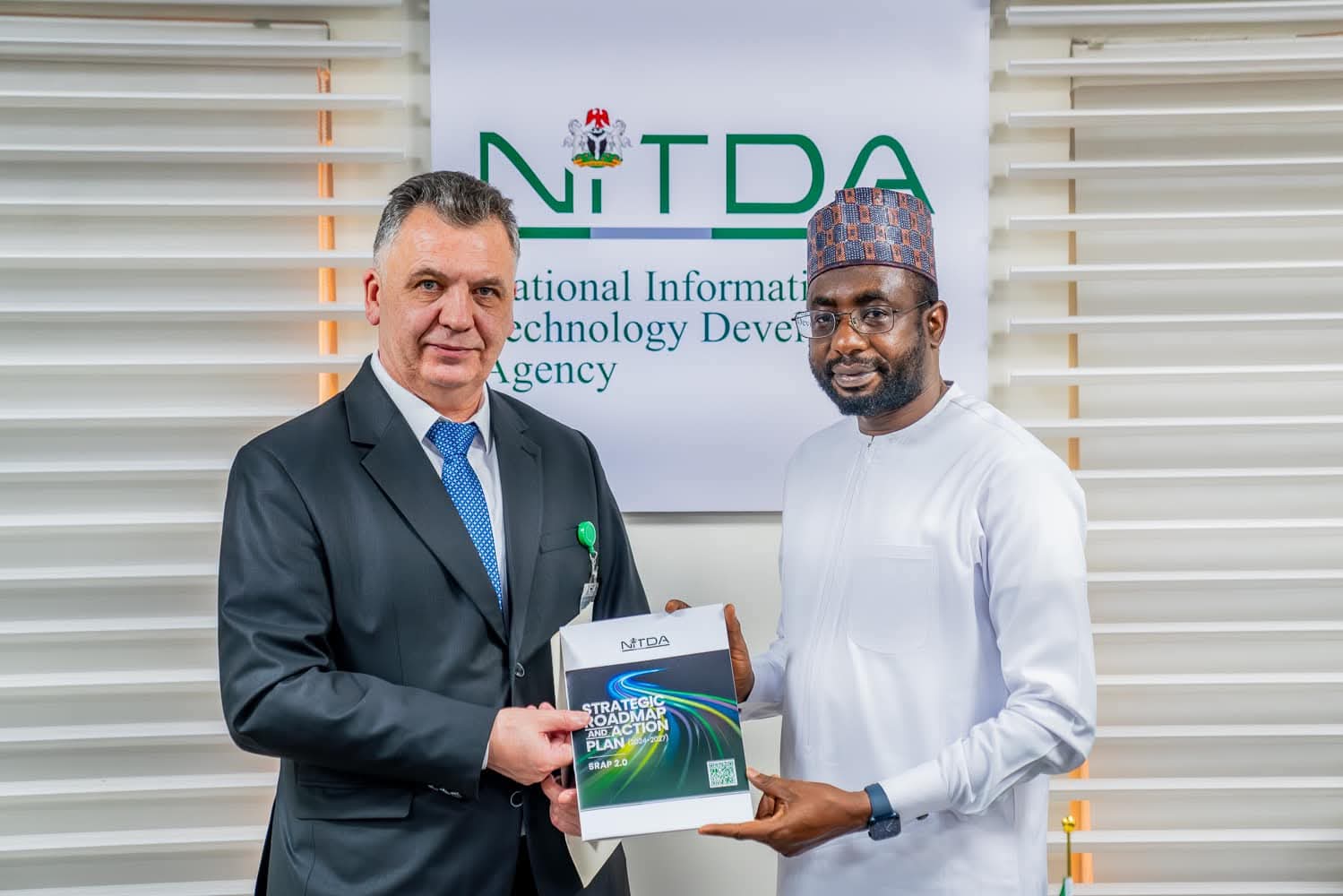
In a recent high-level meeting in Abuja, NITDA officials engaged with Ukrainian Ambassador Ivan Kholostenko to explore potential collaborations that could accelerate Nigeria’s adoption of a fully functional e-governance ecosystem.
Ukraine’s Diia platform, which consolidates government services into a single, efficient digital space, is being examined as a model. However, NITDA is tailoring its platform to Nigeria’s unique governance structure and infrastructure challenges.
One of the critical challenges in Nigeria’s digital transformation has been the absence of a robust legal framework to support fully digital government services. Inuwa highlighted the need for strong regulatory backing, particularly concerning data security, access rights, and digital identity verification. To address this, NITDA is actively working on regulatory policies to ensure the platform’s sustainability, security, and compliance with international standards.
User experience remains a priority for NITDA, as previous digital initiatives in Nigeria have struggled with poor usability, unreliable infrastructure, and low public awareness. To counter these issues, the agency is engaging stakeholders across various sectors, including tech startups, financial institutions, and cybersecurity firms, to create a scalable and resilient solution.
The development of a centralized digital government service portal marks a significant step in Nigeria’s digital evolution. If successfully implemented, it will not only improve government efficiency but also position Nigeria as a leader in digital governance across Africa. With strategic partnerships, a strong regulatory framework, and a focus on execution, this initiative has the potential to revolutionize how Nigerians interact with government services in the digital era.













 is taking bold steps to transform Nigeria’s digital landscape)