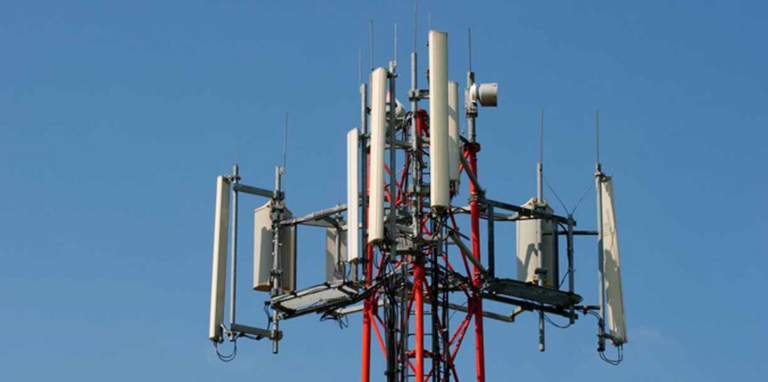
Telecommunications operators in Nigeria are facing increasing cases of infrastructure theft, with new data from the Nigerian Communications Commission (NCC) showing that 656 critical power assets were stolen from telecom sites in 2025.
The stolen assets include 152 generators and 504 batteries, raising concerns over network reliability and service quality. The NCC also reported persistent cases of cable and diesel theft across the country.
Despite the federal government’s designation of telecom infrastructure as Critical National Information Infrastructure (CNII), the trend has continued into 2026. Between January and February 2026, 64 batteries and 17 generators were reported stolen.
Cable theft incidents rose sharply, with 160 cases recorded in January 2026 compared to 74 in the same period last year. February saw 151 cases, up from 73 a year earlier. Diesel theft also remained high, with 222 incidents reported within the first two months of the year.
Chairman of the Association of Licensed Telecommunications Operators of Nigeria (ALTON), Gbenga Adebayo, described the attacks as a major setback for the industry. He said ongoing investments in network optimisation and capacity upgrades are being undermined by vandalism and theft.
Adebayo noted that critical infrastructure components, including fibre optic cables, rectifiers, feeder cables, generators, batteries and solar systems, are frequently targeted, leading to widespread service disruptions affecting millions of subscribers.
A Lagos-based telecom consultant, Adewale Adeoye, said the losses run into billions of naira annually. He explained that replacing stolen generators alone—estimated at about N3.5 million each—represents a significant financial burden.
He added that operators may need to invest more in securing their facilities, noting that reliance on government protection has proven insufficient.
The theft crisis adds to other operational challenges. NCC data showed fibre cuts surged by 900 per cent in January 2026, rising from four incidents in December 2025 to 40 cases, despite the CNII policy aimed at protecting telecom assets.