USSD Billing Shake-Up: How Nigeria’s New End User Model Could Transform Mobile Banking, by Shuaib S. Agaka
Nigeria’s mobile banking ecosystem is entering a new phase as the Nigerian Communications Commission (NCC) and the Central Bank of Nigeria (CBN) jointly approve a new End User Billing (EUB) model for USSD services. This reform, which will see charges deducted directly from users’ airtime balances, aims to end years of disputes between telecom operators and commercial banks over who should bear the cost of delivering USSD-based transactions.
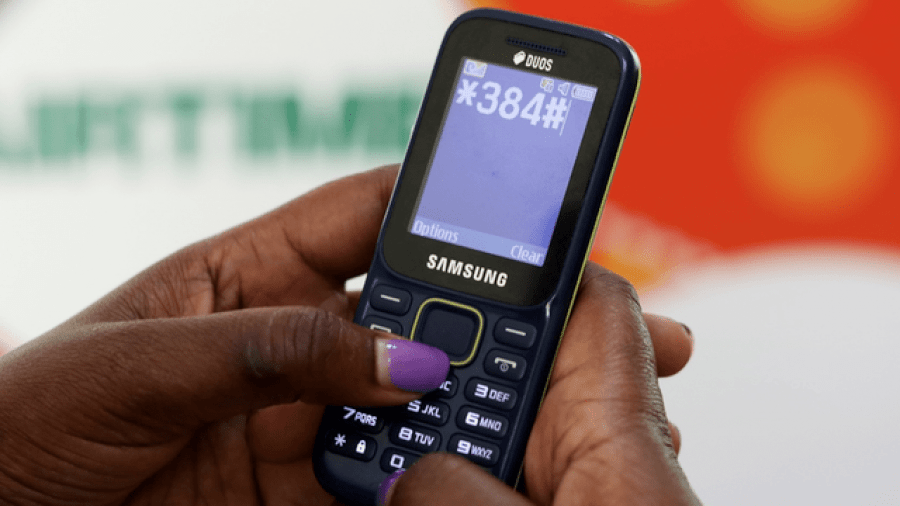
For years, USSD—short codes like *737# or *894#—has been the backbone of financial inclusion in Nigeria, powering mobile money transfers, airtime purchases, bill payments, and balance checks without the need for internet access. Yet, behind the convenience lay a financial standoff: telcos insisted banks should pay them for facilitating USSD transactions, while banks argued the fees should be borne by customers. The impasse led to service disruptions, with some banks temporarily blocking USSD channels over unpaid debts to telcos.
The EUB model changes the rules entirely. Now, whenever a customer initiates a USSD transaction, the service cost—often between ₦6.98 and ₦20 per session—will be automatically deducted from their airtime balance. This direct payment structure removes banks from the middle of the billing process, allowing telecom operators to collect their fees seamlessly while ensuring continuous service for end users.
Advocates of the new model say it will improve service reliability, as telcos will have a guaranteed revenue stream to maintain and expand their USSD infrastructure. It could also reduce operational tension between banks and telcos, freeing both sides to focus on customer experience rather than billing disputes. For rural users and low-income earners, the model offers a more transparent and predictable system—no hidden deductions from bank accounts, just a clear, upfront charge from airtime.
However, the change is not without concerns. Consumer protection advocates worry that the new billing structure could discourage usage among low-income users, especially those who keep minimal airtime balances. In a country where financial inclusion remains a work in progress, the fear is that higher out-of-pocket costs could limit access to mobile banking services, particularly in underserved communities.
From a technology and regulatory standpoint, the move reflects a growing trend of harmonized policy-making between the NCC and CBN. Rather than leaving cross-sector disputes to escalate, the two agencies are now showing a willingness to jointly implement solutions that balance industry sustainability with public interest. This could set a precedent for resolving other digital service disputes, such as mobile payments for public services or interoperability between fintech platforms.
Looking ahead, the real test will be in public adoption. If users perceive the charges as fair and services as seamless, the EUB model could usher in a more stable and transparent era for USSD banking. But if affordability remains a barrier, Nigeria’s ambitious financial inclusion goals might still face hurdles. In the end, the success of this policy will depend not just on regulatory alignment, but on ensuring that technology remains both accessible and affordable for the millions who rely on it daily.
Shuaib S. Agaka