

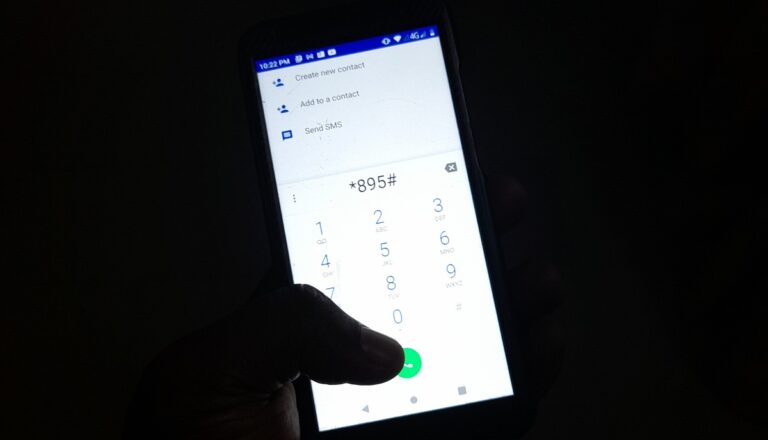
ALTON Raises Alarm Over Airtime Credit Dispute, Warns of Threat to N400bn Market
The Association of Licensed Telecoms Operators of Nigeria (ALTON) has called for the urgent resolution of the regulatory dispute disrupting Nigeria’s airtime credit market, cautioning that the standoff could undermine consumer welfare, investor confidence, and the stability of the telecom sector.
ALTON Chairman, Gbenga Adebayo, made the appeal amid mounting concerns over persistent service disruptions despite existing court orders intended to preserve operations.
Adebayo described the situation as more than a routine regulatory disagreement, noting that it reflects deeper issues around institutional coordination and compliance with judicial directives. He urged regulators, telecom operators, and the Federal Government to work together to restore clarity and stability in the market.
“What is happening in the airtime credit space goes beyond a dispute between agencies; it is a reflection of how well the systems that support business confidence are functioning,” he said.
He stressed that while court orders remain valid and operators hold legitimate licences, consumers continue to experience interruptions—highlighting the urgency of resolving the impasse.
ALTON noted that Nigeria’s airtime credit ecosystem—estimated to be worth between N300 billion and N400 billion annually—serves as a vital informal credit system. Millions of Nigerians, particularly small traders, artisans, and low-income earners, depend on airtime advances to manage daily financial needs in the absence of accessible formal credit.
The association warned that prolonged uncertainty could negatively impact not only telecom services but also broader economic activities tied to the sector.
The crisis stems from a jurisdictional conflict between the Federal Competition and Consumer Protection Commission (FCCPC) and the Nigerian Communications Commission (NCC) over oversight of airtime credit services and Value Added Service (VAS) providers.
ALTON insists that the NCC, under the Nigerian Communications Act, has clear statutory authority over telecom operations, including VAS providers. It warned that overlapping regulatory claims have created uncertainty and disrupted business activities.
The association added that it had flagged potential risks to the NCC as early as August 2025, cautioning that inconsistencies arising from FCCPC regulations and inter-agency arrangements could destabilise the sector.
ALTON further noted that interim injunctions issued by Federal High Courts in Lagos and Abuja had restrained interference in the operations of licensed VAS providers. However, operators such as Nairtime Nigeria Limited and members of the Wireless Application Service Providers Association of Nigeria (WASPA) are still experiencing disruptions.
The association warned that continued interference despite court rulings raises serious concerns about regulatory coordination and adherence to the rule of law.
In response, the FCCPC denied claims that it had banned airtime borrowing and data advance services. Instead, it attributed the temporary suspension to non-compliance by some service providers.
According to the Commission’s Director of Corporate Affairs, Ondaje Ijagwu, operators were required to align their services with Nigerian law under a new regulatory framework introduced in July 2025.
He said a 90-day compliance window was provided to allow operators to regularise their operations, but some providers failed to take advantage of the grace period, particularly within the telecom sector.
The dispute has triggered widespread uncertainty across the telecom ecosystem, with major operators such as Airtel Nigeria and MTN Nigeria Communications Plc previously announcing temporary suspensions of airtime and data credit services in response to regulatory directives.
Industry stakeholders warn that unless swiftly addressed, the standoff could erode confidence in Nigeria’s regulatory environment and disrupt a market that plays a crucial role in supporting everyday financial transactions for millions of Nigerians.












 has called for the urgent resolution of the regulatory dispute disrupting)