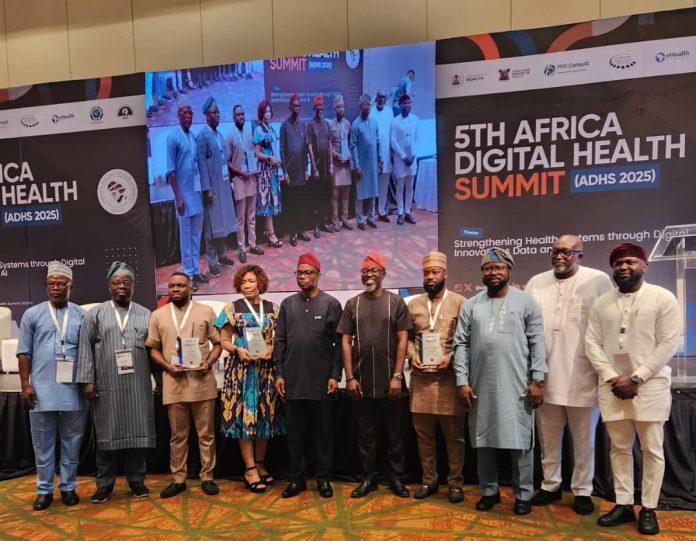
The Federal Government has reaffirmed its commitment to integrating artificial intelligence (AI) and other digital technologies into Nigeria’s healthcare system, as part of broader efforts to strengthen service delivery, tackle systemic inefficiencies, and close critical gaps in access to quality medical care.
Speaking at a national health innovation summit in Abuja this week, the Minister of Health, Dr. Uju Okafor, described AI as a “transformational tool” that can help Nigeria meet its universal healthcare coverage goals, especially for rural and underserved communities.
“Artificial intelligence will play a pivotal role in reshaping how healthcare is delivered in Nigeria,” Dr. Okafor said. “From early disease detection to patient monitoring, AI has the potential to save lives and optimise our overstretched health workforce.”
The initiative comes at a time when the country faces multiple challenges: inadequate medical infrastructure, shortage of skilled professionals, and significant urban-rural disparities in healthcare access. By leveraging AI, experts believe tasks like diagnostics, health record management, and predictive analytics can be handled more efficiently, allowing doctors and nurses to focus on patient care.
Stakeholders at the event highlighted several pilot projects already underway, including AI-powered telemedicine platforms that connect patients in remote areas with urban-based specialists, and diagnostic tools that use machine learning to identify diseases like malaria and tuberculosis faster than traditional lab tests.
However, experts also cautioned that the rollout must be inclusive and address concerns about data privacy, ethical use, and local capacity building.
Dr. Ifeanyi Nwosu, a digital health consultant, urged the government to invest heavily in local AI research and development and to create policy frameworks that support responsible innovation. “It’s not enough to import technology,” he said. “We need to develop AI solutions that understand our unique health challenges and train local talent to manage and maintain these systems.”
The Minister of Health confirmed that a national task force will be set up in the coming months to draft new guidelines for AI deployment in the health sector, with input from medical practitioners, technologists, and civil society groups.
The renewed focus on AI aligns with Nigeria’s Digital Health Strategy (2020–2025), which prioritises expanding telemedicine, electronic health records, and emerging technologies to modernise healthcare and improve health outcomes for millions of Nigerians.