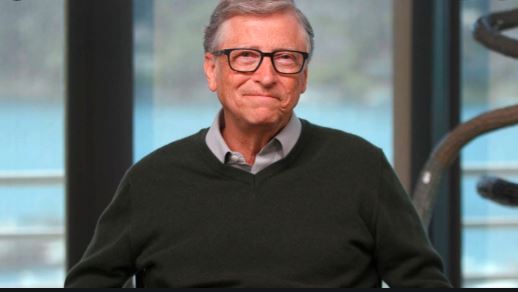
Microsoft co-founder Bill Gates has warned that artificial intelligence is powerful enough to drive events that could cause a billion deaths, urging governments to play a greater role in regulating the technology.
Gates made the comments in an interview with NBC News’ “Meet the Press” while discussing the risks associated with increasingly capable AI systems and the possibility of malicious actors using the technology.
“AI is certainly powerful enough to drive events that cause a billion deaths,” Gates said.
He was responding to a question about whether AI could eventually become powerful enough to threaten humanity. Gates did not say that AI would necessarily wipe out humanity, but warned that its combination with people intending to cause harm could produce unprecedented consequences.
“There’s never been a weapon as powerful as the combination of people with ill intent using the latest AI tools,” he said.
Gates also rejected the idea that AI companies should be left to regulate themselves.
“No one thinks self-regulation is enough,” he said, arguing that law enforcement agencies and politicians should be involved in determining safeguards and monitoring requirements for AI systems.
“You need law enforcement and the politicians to get into the discussion about what safeguards and monitoring look like, and that has to be a required thing,” Gates said.
He acknowledged that regulation would create additional requirements for AI companies but said it would not necessarily halt the industry’s development.
Gates’ warning comes amid growing debate over the risks posed by increasingly capable AI systems, including their potential use in cyberattacks, fraud, biological research and other areas where misuse could cause significant harm.
His comments also follow calls from some AI industry leaders for greater oversight and a slower pace of development as companies compete to build more capable systems.
The debate is increasingly shifting from whether AI should be regulated to how governments and technology companies should divide responsibility for managing its risks.