The Cloud Revolution: Inside Nigeria’s Bold Drive for Digital Sovereignty
By Fom Gyem,
In today’s interconnected world, every online bank transfer, e-commerce purchase, hospital record, government portal login and video conference relies on an unseen yet indispensable foundation: cloud infrastructure. While billions of people interact with digital services every day, few stop to consider the complex technological ecosystem that powers these experiences. Quietly operating behind the scenes, cloud infrastructure has become the backbone of the modern digital economy, supporting everything from smartphones and social media platforms to artificial intelligence (AI), financial technology (fintech) and critical national security systems.
As countries race to build resilient digital economies, cloud infrastructure is no longer viewed merely as a technological necessity; it has become a strategic national asset. At its core, cloud infrastructure comprises interconnected data centres, servers, storage systems, networking equipment, software and virtualisation technologies that deliver computing services over the internet. Rather than relying on individual computers or on-premises servers, organisations can securely access computing resources remotely, enabling greater flexibility, scalability and efficiency.
This transformation has fundamentally changed how governments and businesses operate. Organisations can now scale computing resources on demand, reduce infrastructure costs, improve operational efficiency and deploy digital services faster than ever before. Whether streaming a movie, attending an online class, booking a flight or processing millions of financial transactions, cloud infrastructure ensures these services remain secure, reliable and accessible around the clock.
Beyond convenience, cloud infrastructure has become a cornerstone of economic competitiveness. Countries with robust cloud ecosystems attract technology investments, stimulate innovation, create high-skilled jobs and strengthen their digital economies. Cloud services facilitate digital trade, enable seamless cross-border business operations and provide the computing power required for emerging technologies such as AI, blockchain and the Internet of Things (IoT). They also enhance business continuity by distributing data across multiple locations, reducing the risks posed by hardware failures, cyberattacks and natural disasters while ensuring that essential services remain operational.
Nigeria’s expanding digital economy has heightened the urgency of developing resilient cloud infrastructure. With millions of citizens relying on digital banking, e-commerce, online education, healthcare technologies and e-government services, the country requires secure, reliable and scalable digital systems capable of supporting future growth.
Recognising this imperative, policymakers have intensified efforts to strengthen local cloud capacity, improve data governance, encourage investment in data centres and establish standards that inspire confidence among businesses and international investors. These initiatives are expected to stimulate indigenous innovation, create employment opportunities, enhance public service delivery and position Nigeria as one of Africa’s leading digital economies.
For decades, nations measured sovereignty through the strength of their borders, military capabilities and economic resilience. Today, however, a new frontier has emerged: digital sovereignty. In an era where government services, financial transactions, artificial intelligence and national security increasingly depend on digital infrastructure, a country’s ability to control, secure and govern its own data has become a defining measure of national development.
It was against this backdrop that government officials, private sector leaders, development partners, academics and technology experts gathered to witness what many described as a watershed moment in Nigeria’s digital transformation journey.
At the centre of the event was the National Information Technology Development Agency (NITDA), which formally commenced the implementation phase of the National Sovereign Cloud Initiative (NSCI). Through the unveiling of a comprehensive regulatory framework, the agency signalled Nigeria’s determination to reshape its digital landscape. More than the signing of regulatory documents, the event represented a bold declaration of intent to build a trusted digital ecosystem capable of supporting innovation, safeguarding national interests and attracting global investment.
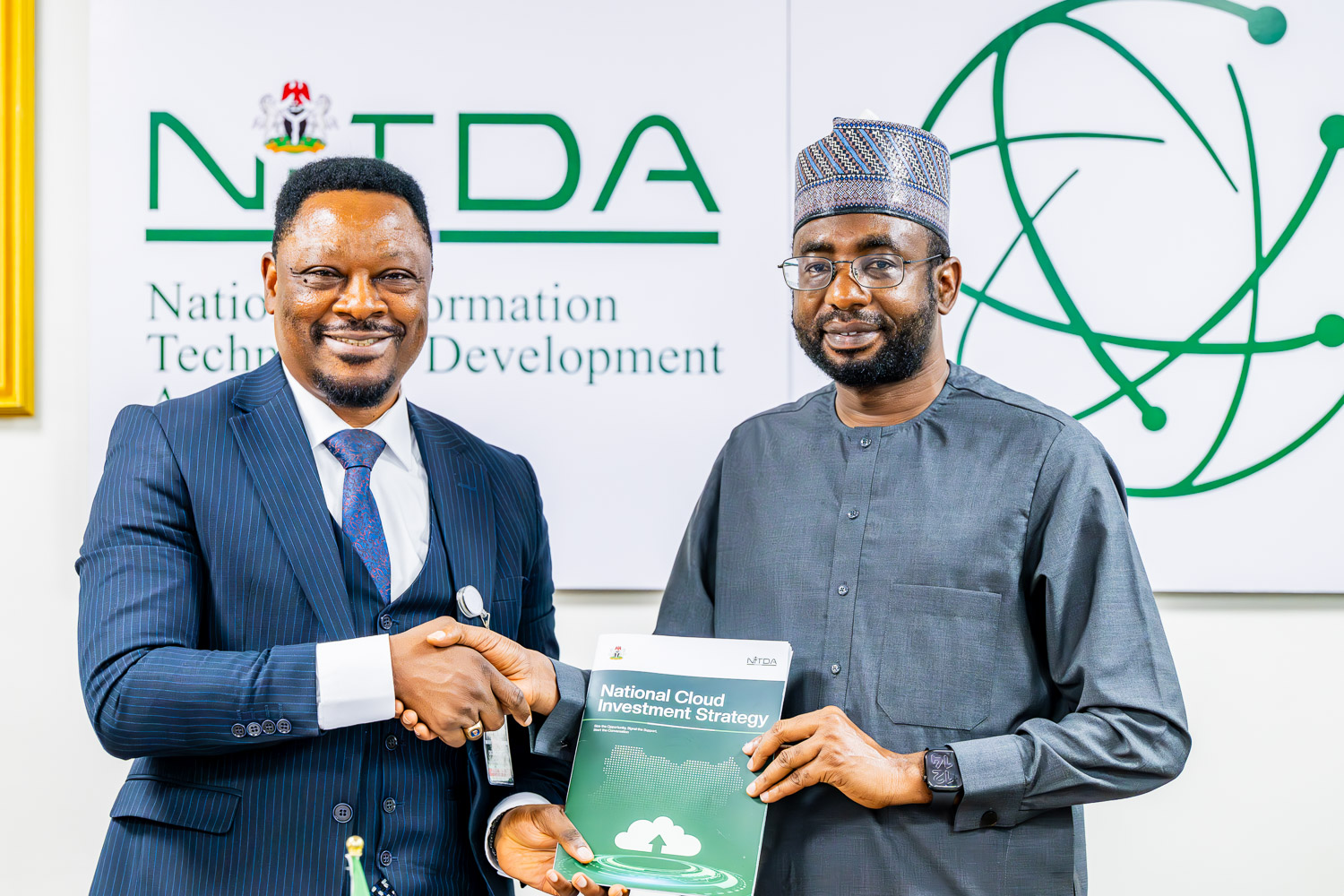
The highlight of the ceremony was the signing of three foundational regulatory instruments by NITDA Director-General, Kashifu Inuwa Abdullahi. These included the National Cloud Computing Guideline, the National Cloud Technical Guideline and the National Digital Infrastructure Assurance Framework (NDIAF). Alongside the unveiling of the National Cloud Investment Strategy, these instruments establish the policy, governance and technical architecture required to guide cloud adoption, strengthen digital infrastructure assurance and stimulate long-term investment in Nigeria’s rapidly expanding digital economy.
The milestone marked the culmination of years of consultation involving government institutions, indigenous cloud providers, international hyperscale cloud companies, data centre operators and development partners. It also builds upon the Federal Government’s Cloud First Policy, ensuring that Nigeria develops cloud infrastructure that aligns with global best practices while protecting national interests.
Beyond policy formulation, NITDA plans to establish the Sovereign Cloud Governance Committee to provide strategic oversight of the initiative. Before October 2026, the agency also intends to operationalise a national digital regulatory platform that will streamline the registration, assessment, certification and compliance processes for cloud service providers and digital infrastructure operators.
The certification programme is expected to become one of the most significant confidence-building mechanisms within Nigeria’s digital ecosystem. By certifying cloud providers, data centre operators, managed service providers, AI infrastructure providers and sovereign compute operators, the framework seeks to assure government institutions, financial organisations and businesses that certified providers meet nationally approved standards for security, resilience and operational excellence.
Ultimately, the National Sovereign Cloud Initiative marks the beginning of a new chapter in Nigeria’s digital evolution—one in which sovereignty extends beyond physical borders into cyberspace, where data is recognised as a strategic national asset and trusted digital infrastructure serves as a catalyst for innovation, economic growth and regional leadership.
If effectively implemented through sustained collaboration among government, regulators, industry and development partners, the initiative could become one of the defining milestones in Nigeria’s journey towards a resilient, secure and globally competitive digital future. In an increasingly digital world, the nations that control and protect their digital infrastructure will be best positioned to shape the future. Nigeria has now taken a decisive step in that direction.