TMS, NITDA DG Push Technology, Human Capital as Pathway to Nigeria’s Economic Transformation
The Tinubu Movement for Sustainable Governance Foundation (TMS), popularly known as Tinubu Must Stay, has hosted a webinar examining how Nigeria can leverage technology, innovation, human capital development and strategic leadership to build a more competitive and sustainable economy beyond dependence on natural resources.
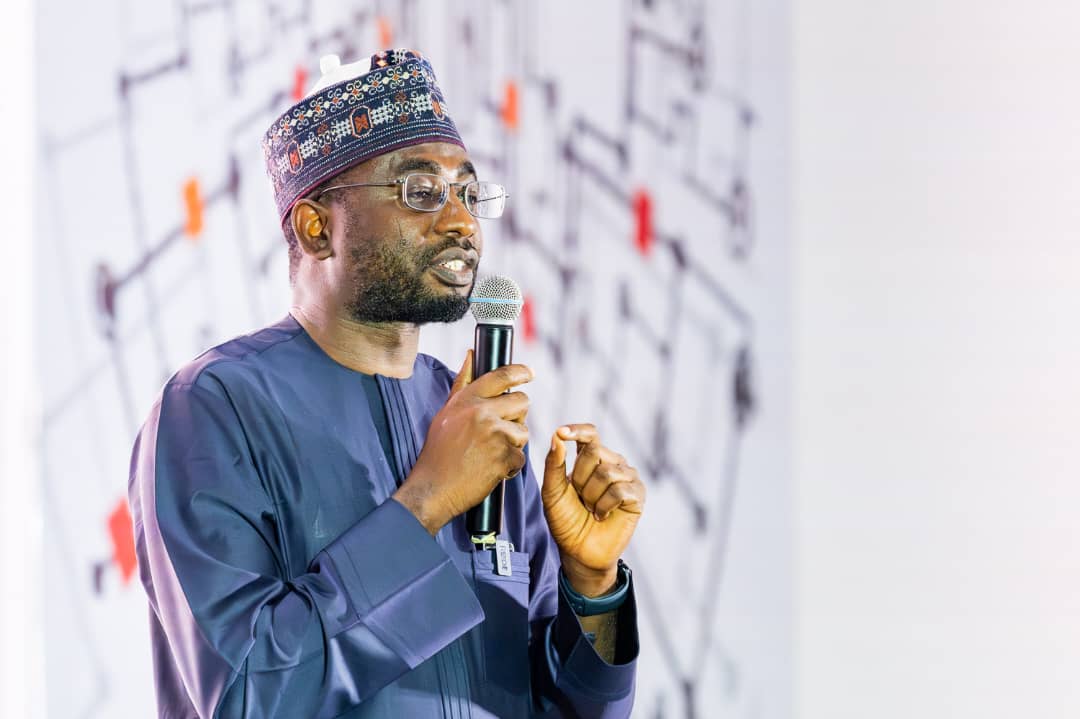
The webinar, themed Beyond Natural Resources: Building a Technology-Driven Nigeria Through Innovation, Human Capital and Strategic Leadership,” featured the Director-General of the National Information Technology Development Agency (NITDA), Dr. Kashifu Inuwa Abdullahi, CCIE, as keynote speaker, alongside Pharm. Abduljalal Nadabo, a pharmacist and global health professional who joined the session from South Africa.
Discussions focused on the need to invest more deliberately in people, strengthen digital capabilities, promote innovation and develop a globally competitive workforce capable of creating economic value.
Participants also examined government initiatives including the Three Million Technical Talent (3MTT) programme, Technical and Vocational Education and Training (TVET), the Student Loan Scheme and Digital Literacy for All (DL4ALL).
The conversation centred on how such interventions could translate into practical skills, employment, entrepreneurship and greater economic opportunities, particularly for young Nigerians.
Speakers argued that Nigeria’s long-term economic prospects would increasingly depend on the quality of its human capital and its capacity to convert knowledge, innovation and technology into products and solutions rather than relying predominantly on natural resources.
Contributing to the discussion, Nadabo highlighted the potential for innovation and emerging technologies to transform professional sectors, stressing the importance of interdisciplinary collaboration in addressing complex national development challenges.
The session also explored the relationship between education, skills development and economic competitiveness, with participants emphasising the need to connect training initiatives more closely with opportunities in both domestic and global markets.
Speakers maintained that developing a technology-driven economy would require more than digital infrastructure. They identified strong institutions, skilled talent, supportive policies, innovation and strategic leadership as important ingredients for sustainable transformation.
The webinar was hosted by Ibrahim Muhammad, TMS Director of ICT, as part of the Foundation’s knowledge-sharing and public-engagement activities around governance, economic development and national policy.
TMS said the webinar series would continue to provide a platform for professionals, experts and citizens to interrogate policies and exchange ideas on issues shaping Nigeria’s development.
The latest session reinforced the central argument that Nigeria’s most valuable long-term asset may ultimately lie not only beneath the ground in natural resources, but in the knowledge, creativity and productive capacity of its people.