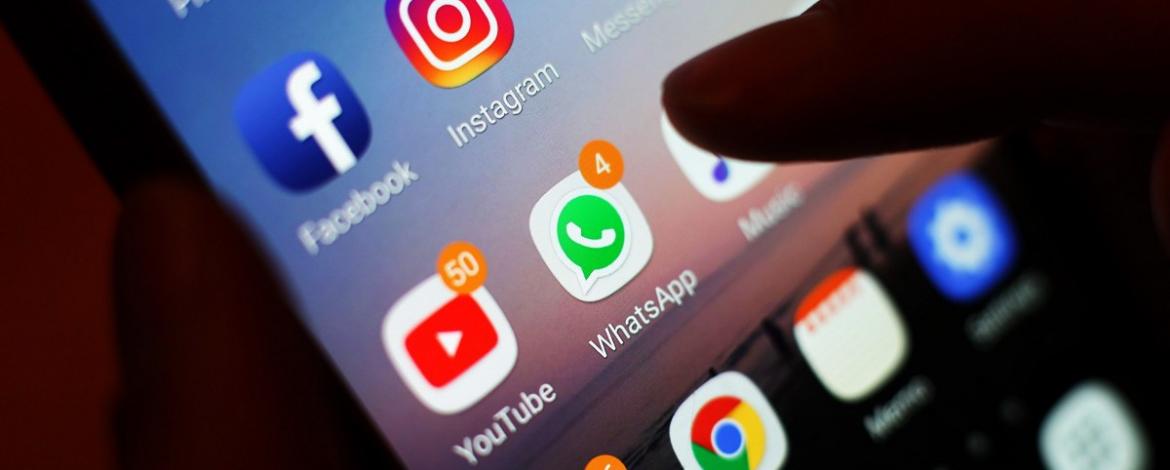
United Kingdom Prime Minister Keir Starmer has announced plans to prohibit children under the age of 16 from accessing major social media platforms, including TikTok, Instagram, and Snapchat, as part of a broader effort to strengthen online safety protections for young people.
Speaking on June 15, Starmer described the proposed measure as “a real change for our children and our future,” saying the government intends to introduce legislation before the end of the year, with implementation expected by early 2027.
The announcement was made before an audience that included parents who have lost children and families affected by what they described as the harmful effects of social media. According to Starmer, the government believes stronger intervention is necessary to address concerns ranging from cyberbullying and harmful content exposure to the impact of excessive social media use on children’s mental health.
“Social media is making children unhappy, it’s making it easier for bullies to harass and abuse them, and it could even be harming their mental health,” Starmer said while defending the proposed ban.
While acknowledging that social media platforms provide benefits for communication, learning, and social interaction, the British leader argued that protecting children must take precedence.
“This is not something I do lightly,” he said. “But the government is always about choices, and it’s clear to me that a total ban is the right choice.”
The proposed restriction would place the UK among a growing number of countries introducing age-based limits on social media use. In late 2025, Australia became the first country to enact a nationwide social media ban for users under 16, affecting platforms including Instagram, TikTok, Facebook, and YouTube. Similar measures have since emerged in countries such as Malaysia and Turkey.
Addressing concerns that teenagers may attempt to bypass the restrictions, Starmer argued that enforcement challenges should not prevent governments from acting.
“We don’t say a teenager managed to get a drink somehow, so let’s not bother banning alcohol sales for children,” he said, adding that laws also serve to establish social norms and shape expectations among parents and young people.
The proposal follows a government consultation conducted earlier this year on possible social media restrictions. According to the findings, nine out of ten parents supported establishing a minimum age of 16 for social media access.
However, the proposal has also drawn criticism from some digital rights advocates and technology policy experts, who warn that outright bans may push young users toward less regulated online spaces, complicate enforcement efforts, and potentially limit access to educational and social opportunities available through digital platforms.
Starmer dismissed suggestions that stricter regulation could undermine the UK’s ambitions in technology and artificial intelligence, insisting that innovation and child protection are not mutually exclusive.
“I do not accept, and I will never accept, that you can’t be both pro-tech and AI, and at the same time say we must protect our children,” he said.
If approved by Parliament, the legislation would represent one of the most significant online safety measures introduced in the UK and could further intensify the global debate over the role of social media in young people’s lives.