Another Ponzi Scheme Down the Drain, When Will You Learn? By Shuaib S. Agaka
Another day, another collapsed investment platform. Another wave of tears. Another chorus of “I have lost everything.” Another social media trend filled with screenshots of failed withdrawal attempts and desperate appeals for help. This time, it is National Reading Culture (NRC), an online platform that convinced thousands of Nigerians to part with their money on the promise that they would earn extraordinary returns within a matter of weeks. Predictably, the website has gone dark, withdrawals have stopped, and the operators have disappeared, leaving billions of Naira in losses and countless investors wondering how they were deceived.
But perhaps the more important question is this: when will Nigerians learn?
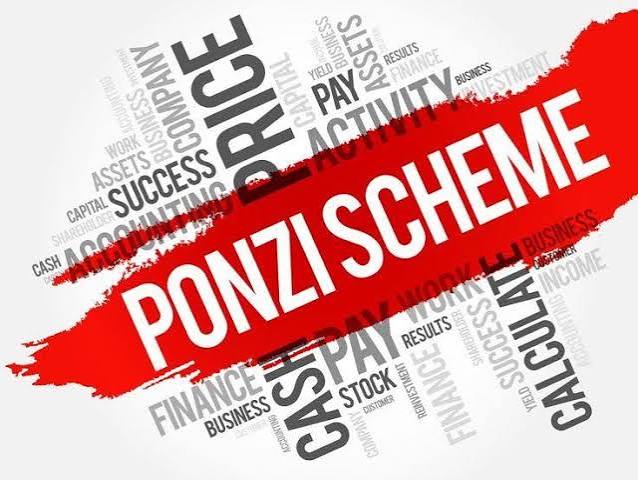
The truth is uncomfortable but necessary. Every Ponzi scheme survives because people choose to believe that they have found a shortcut to wealth. The promise is always the same—invest a little today and receive much more tomorrow. Logic is suspended because greed takes over. The warning signs become irrelevant because everyone wants to believe they got in early enough to beat the system. Yet the outcome has remained remarkably consistent for decades.
National Reading Culture did not introduce anything new. It simply wrapped an old fraud in a different package. Participants were encouraged to complete simple tasks such as reading articles, clicking links and referring friends to earn daily rewards. Those who wanted even greater profits were persuaded to deposit their own money into higher investment tiers with assurances of larger daily earnings. The platform projected itself as an innovative online earning opportunity, but investigations later revealed that the website had previously operated as a Chinese job search platform before it was repurposed into an investment scheme. That alone should have raised serious questions.
As with every Ponzi operation, the illusion of profitability depended on fresh deposits from new participants. Early users received payments funded not by legitimate business activities but by money contributed by newer investors. Those initial payouts created excitement, attracted testimonials and convinced more people to join. The cycle continued until the inflow of new money slowed, at which point the inevitable collapse followed. It is the oldest trick in the financial fraud playbook.
This script has been performed repeatedly in Nigeria, yet each new production attracts a fresh audience. From MMM Nigeria, which collapsed after trapping millions of Nigerians with promises of 30 per cent returns in just 30 days, to MBA Forex, which lured investors with claims of lucrative foreign exchange investments before billions vanished, the story has remained unchanged. Racksterli promised wealth through networking before crashing. Chinmark Group attracted investors with unrealistic returns and later found itself at the centre of widespread allegations of unpaid investments. Imagine Global, Twinkas, Loom Money and Ultimate Cycler all enjoyed their moment in the spotlight before collapsing under the weight of their own deception. Their names may differ, but their business model never does.
One would imagine that after so many painful lessons, Nigerians would develop an instinct for spotting these schemes. Instead, every new platform is greeted with excitement, glowing testimonials and endless social media campaigns urging people not to “miss the opportunity.” Some investors even mock those who express caution, insisting that “this one is different.” It never is.
There is a saying that if something sounds too good to be true, it probably is. Yet countless people continue to ignore this simple principle. No legitimate investment doubles your money within weeks. No sustainable business consistently guarantees outrageous returns without corresponding risks. No genuine wealth is created simply by clicking links, reading articles or recruiting friends into a platform. If making money were truly that easy, banks, investment firms and multinational corporations would have abandoned their traditional business models long ago.
The uncomfortable reality is that many victims are not deceived because the fraudsters are exceptionally clever. They are deceived because they convince themselves to ignore obvious warning signs. They see unrealistic promises and choose optimism over reason. They hear unbelievable claims and silence their doubts with stories of people who supposedly got paid. They mistake early payouts—funded by newer victims—for proof of legitimacy. By the time reality catches up, the operators have disappeared.
This is not to excuse the criminals behind these schemes. They deserve to be investigated, prosecuted and punished to the fullest extent of the law. They deliberately prey on people’s desire for easy money, exploiting trust and manipulating emotions for personal gain. But while authorities pursue the fraudsters, individuals must also accept responsibility for exercising basic financial judgment. Personal responsibility remains the first line of defence against financial scams.
Perhaps the most frustrating aspect is that every collapse is followed by vows that “it will never happen again.” Yet history suggests otherwise. Before long, another platform with a respectable-sounding name, a polished website and a flood of social media testimonials will emerge. It may claim to trade cryptocurrency, artificial intelligence, agriculture, digital advertising or some other fashionable industry. The language will change. The logo will be different. The promises, however, will remain exactly the same.
National Reading Culture has now joined the long and embarrassing list of failed Ponzi schemes that have drained billions of Naira from unsuspecting Nigerians. Sadly, it is unlikely to be the last. As long as people continue to believe that wealth can be created overnight without genuine economic activity, fraudsters will continue to flourish.
The collapse of National Reading Culture should not merely be another news story. It should be another lesson. The tragedy is that Nigeria has had far too many lessons already. The real question is no longer why Ponzi schemes keep collapsing. We already know the answer to that. The question is why so many people continue to enrol in the same expensive class, expecting a different result every single time.
Shuaib S. Agaka is a technology journalist and digital policy analyst based in Kano.