iPhone 18 And The Price of Validation
By Haris Muhammad Bashir
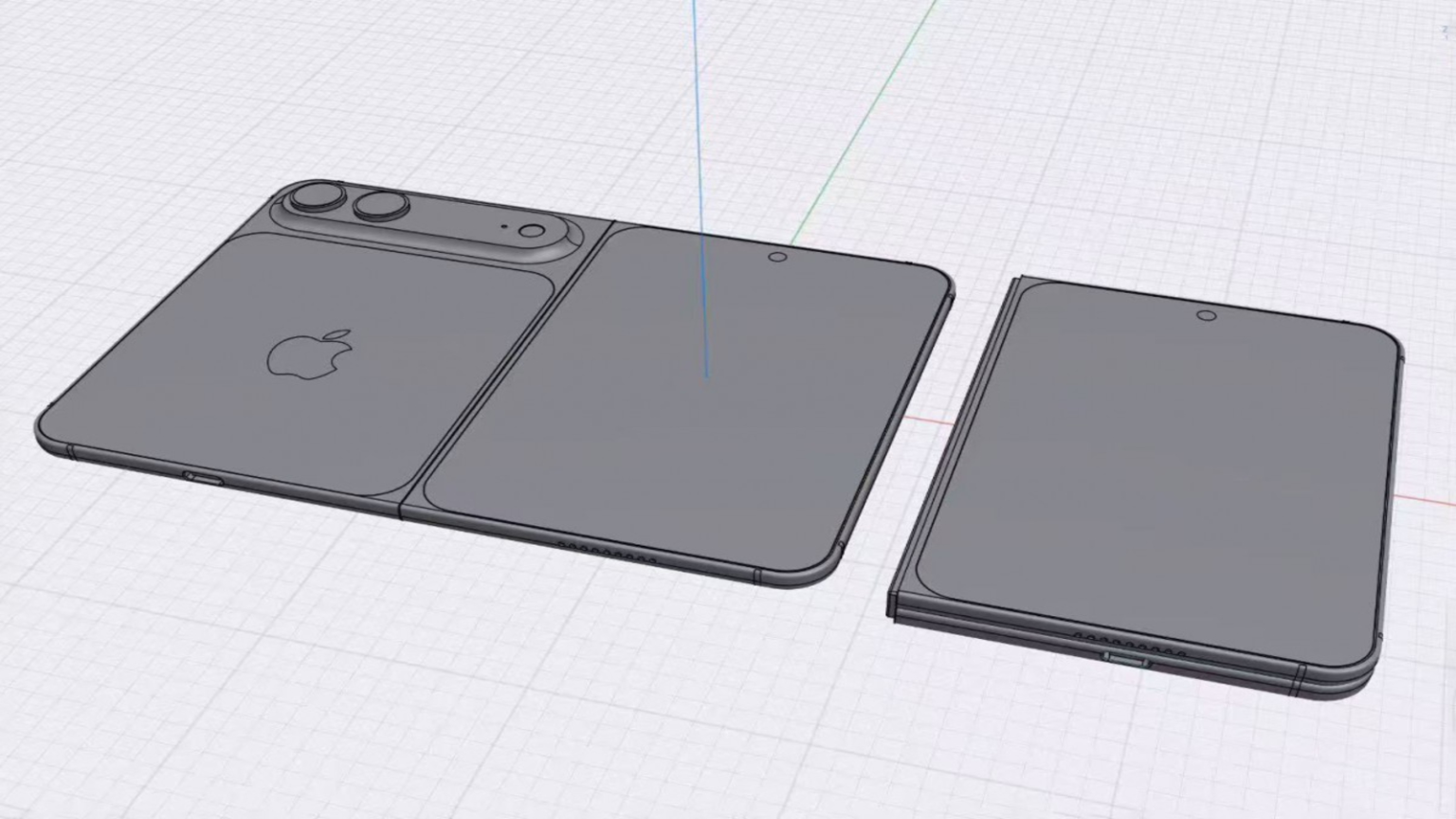
On September 9, 2026, Apple unveiled its latest generation of premium smartphones, the iPhone 18 Pro, iPhone 18 Pro Max, and the foldable iPhone Duo. The new models boast a 48-megapixel Fusion Main camera with variable aperture, the powerful A20 Pro chip, improved battery performance, and advanced artificial intelligence features.
As expected, the announcement sparked excitement among technology enthusiasts and Apple loyalists worldwide. Yet beyond the impressive specifications lies a deeper question, particularly relevant in Nigeria: when does owning the latest smartphone stop being about technology and start becoming a quest for social validation?
There is nothing inherently wrong with wanting a new iPhone. Technology evolves, consumers upgrade, and people naturally gravitate toward better products. For content creators, photographers, business owners, or professionals who genuinely need enhanced cameras, processing power, or battery life, purchasing a new device can be a sensible investment. The problem begins when the phone is no longer purchased for its utility but for the message it sends to others.
In Nigeria’s increasingly image-conscious social-media environment, expensive possessions often serve as symbols of success, beauty, and social status. Platforms like Instagram and TikTok constantly expose young people to curated images of luxury lifestyles. Research has shown that such exposure fosters social comparison, materialistic values, and conspicuous consumption.
This is where the conversation around young Nigerian women becomes important. It would be unfair to generalize or claim that Nigerian girls are obsessed with iPhones. Many are not. Some buy Apple products because they genuinely need them for work, business, photography, or personal preference. But there is also a growing culture in which owning expensive items becomes part of one’s public identity.
A young woman may already have a smartphone capable of handling her daily communication, business, and social-media activities. Yet the moment a newer iPhone arrives, she may begin to feel her current device is inadequate—not because it has stopped working, but because someone else now has something newer. That is the trap of comparison. The danger is not the iPhone itself but allowing a product to define one’s sense of worth.
Nigeria’s economic reality makes this even more concerning. When individuals cannot comfortably afford luxury products but feel pressured to own them anyway, the financial consequences can be severe. Money that could have gone toward education, savings, business capital, rent, or professional development may instead be diverted to maintain an appearance of affluence. Research among Nigerian undergraduates has even documented cases where expensive phones and other luxury possessions feature in transactional sexual relationships. A 2025 study reported that some respondents associated cross-generational sexual relationships with acquiring luxury items, including phones, clothing, and jewellery. This evidence should not be used to label Nigerian women as immoral or materialistic. Rather, it should force society to ask a more uncomfortable question: why are some young people willing to take serious personal risks to maintain an image of wealth?
The answer goes beyond gender. Young men also participate in status competition through cars, designer clothes, watches, nightlife, and other displays of wealth. Social media has simply made this competition more visible. However, young women often face additional pressures surrounding appearance, lifestyle, and social expectations. The intersection of beauty culture, social media, relationships, and consumerism can create an environment where possessions become tied to perceived attractiveness and social class.
This is why the conversation should not be framed as “Nigerian girls should stop buying iPhones.” That is the wrong lesson. The real lesson is to buy according to one’s capacity and purpose, not according to pressure. If the iPhone 18 genuinely improves your business, photography, filmmaking, or productivity, and you can afford it without jeopardizing your finances, then buy it. If your current phone serves you well, there is nothing shameful about keeping it. Your phone should serve your ambition; your ambition should not become a servant to your phone.
Influencers and content creators also bear responsibility. Social media users must remember that the lifestyles displayed online are often carefully curated. A person may post a new phone, luxury restaurant, or expensive holiday without showing the debt, sponsorship, family support, or business income behind it. Comparing your entire life to someone else’s highlight reel is an unfair competition.
The iPhone 18 is a remarkable technological achievement, and Apple deserves recognition for pushing smartphone technology forward. But technological advancement should never become a measure of human worth. A new phone can upgrade your camera, but it cannot upgrade your character. It can improve your productivity, but it cannot create discipline. It can make your pictures sharper, but it cannot make your life more meaningful.
For young Nigerians, the real status symbol should increasingly be what we are building, businesses, careers, skills, investments, character, and meaningful lives. Buy the phone if you need it. Upgrade when it makes financial sense. But never sacrifice your peace, reputation, or future simply to convince society that you are doing well. Validation is expensive when you have to pay for it with your future.
Haris Muhammad Bashir is a corps member serving at PRNigeria. [email protected]