FutureMap Foundation Equips African Youths for Digital Careers, Says Executive Director
The Executive Director of FutureMap Foundation, Dr. Shuaib Sani Shuaib, has said the organisation is bridging the gap between academic training and employment by equipping young Africans with practical digital skills, industry exposure and career opportunities through its flagship Future Tech Fellowship (FTF).
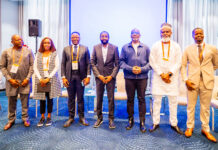
Speaking at a Digital Innovation Workshop for Graduates in Jigawa State, Dr. Shuaib said the Foundation was committed to producing not just graduates but technology professionals capable of driving Africa’s digital transformation.
According to him, while universities continue to produce talented graduates, many struggle to secure meaningful employment because they lack practical experience, mentorship and exposure to industry.
“Through the Future Tech Fellowship, we are building careers, not just graduates. Our objective is to identify promising talent early, nurture it and create clear pathways to employment, entrepreneurship and leadership within Africa’s innovation ecosystem,” he said.
Dr. Shuaib cited the success stories of Ibrahim and Nasir, two former students of Sule Lamido University, who developed an Internet of Things (IoT)-based solution to help fish farmers monitor pond conditions and optimise feeding schedules during an innovation competition in Jigawa State.
He explained that after recognising their potential, the Foundation invited both innovators to Abuja, where they became part of an ecosystem that enabled them to collaborate with engineers, researchers, designers and entrepreneurs on nationally relevant technology projects.
According to him, the exposure transformed their university innovation into successful professional careers.
“Today, one of them works in the Information Technology division of one of Nigeria’s leading commercial banks, while the other is pursuing a fully funded Master’s degree in the United Kingdom. Both have also returned to mentor new participants in the Future Tech Fellowship,” he said.
The Executive Director noted that the Foundation’s training model combines technical education, applied innovation, leadership development and industry engagement, enabling participants to develop practical solutions to challenges in healthcare, agriculture, education, governance and climate resilience.
He disclosed that fellows have contributed to initiatives such as Project Tech Atlas, a digital attendance management platform and locally developed digital health solutions designed to improve institutional efficiency and healthcare delivery.
Dr. Shuaib said the programme places strong emphasis on helping participants build professional portfolios, strengthen teamwork and communication skills, and understand the complete process of designing, testing and deploying technology solutions.
Highlighting the impact of the Fellowship, he revealed that the programme has attracted more than 3,000 applications, selecting only about three per cent of applicants through a highly competitive process.
He said participants have come from all 36 states of Nigeria, as well as Ghana and Cameroon, creating a diverse community of emerging technology professionals.
According to him, the programme has also produced impressive career outcomes, with about 40 per cent of fellows securing internships or employment through strategic industry partnerships, mentorship and collaborative innovation projects.
Dr. Shuaib added that the Foundation remains committed to expanding opportunities for women, underserved communities and persons with disabilities as part of efforts to build a more inclusive digital workforce across Africa.
He explained that innovation within the Fellowship is driven by solving practical development challenges rather than pursuing technology for its own sake.
Among the solutions developed by participants, he said, is a smart hospital management system aimed at reducing patient waiting time and improving healthcare administration, alongside other digital innovations addressing challenges in agriculture, governance and public service delivery.
The FutureMap Foundation Executive Director stressed that Africa’s digital future depends on its ability to nurture young innovators with the technical competence, confidence and leadership skills required to compete globally.
“The journey of Ibrahim and Nasir demonstrates what is possible when talent is recognised early, supported through mentorship and connected to opportunities. Today’s fellows become tomorrow’s mentors, innovators and industry leaders,” he said.
He reaffirmed the Foundation’s commitment to strengthening Africa’s innovation ecosystem by providing young people with the skills, networks and practical experience needed to build successful careers while contributing to sustainable economic development across the continent.