

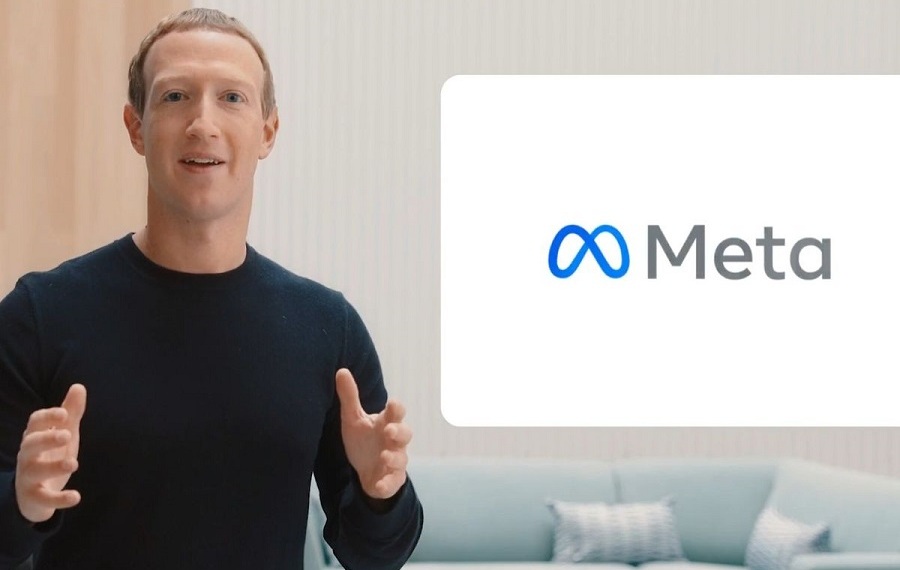
What Meta’s Exit Means for Nigeria
By Abbas Badmus ,
The recent escalation between the Federal Competition and Consumer Protection Commission (FCCPC) and Meta, the parent company of WhatsApp, Facebook, and Instagram, marks a troubling turn in Nigeria’s regulatory landscape. At the heart of the conflict is the FCCPC’s interpretation of data protection laws and its decision to fine Meta over alleged infractions, which the company has strongly contested as inaccurate and misleading.
Meta has warned that continued regulatory aggression could make it impossible to continue operating in Nigeria. If this warning becomes reality, the consequences for the Nigerian economy, digital ecosystem, and global reputation would be severe.
For context, Meta’s platforms are not just social tools—they are economic lifelines. From the Instagram vendor selling local crafts to the digital marketer managing ad campaigns, millions of Nigerians depend on Meta’s infrastructure for employment, visibility, and connectivity. A shutdown of these services would destabilize the livelihoods of countless youth and entrepreneurs who rely on these platforms to survive and grow.
Moreover, WhatsApp is more than a messaging app—it is a national utility. Government bodies, healthcare providers, schools, and private businesses all use it for daily operations. A disruption would leave a gaping void in communication channels and upend service delivery in both the public and private sectors.
The broader concern, however, lies in the signal this sends to the world. If Nigeria continues to wield regulatory power in a manner that appears punitive and inconsistent, international investors will take notice—and they will take flight. No investor wants to operate in an environment where business decisions can be undone by unclear or misapplied regulations.
It is especially disconcerting that the FCCPC seems to be overreaching its authority, leveraging provisions under the Nigeria Data Protection Commission (NDPC) to push for fines without adequate transparency or engagement. Regulatory bodies must protect consumer interests, yes—but they must do so with a balance of fairness, professionalism, and foresight.
Meta’s operations are global. Its infrastructure is interconnected. The company has made it clear: it cannot isolate Nigeria from its global operations. Forcing Meta to the brink of exit is not just a national issue; it is a global red flag.
Nigeria cannot afford to play regulatory roulette with companies that anchor its digital economy. We need smarter engagement, not stronger hammers. Constructive dialogue, well-defined legal frameworks, and a collaborative approach to consumer protection will do far more to advance our digital future than punitive posturing.
Let us not jeopardize the future of our youth and digital entrepreneurs over a miscalculation of power. Meta’s exit would not just be a loss for the company—it would be a loss for Nigeria.













 and Meta, the parent company of WhatsApp)