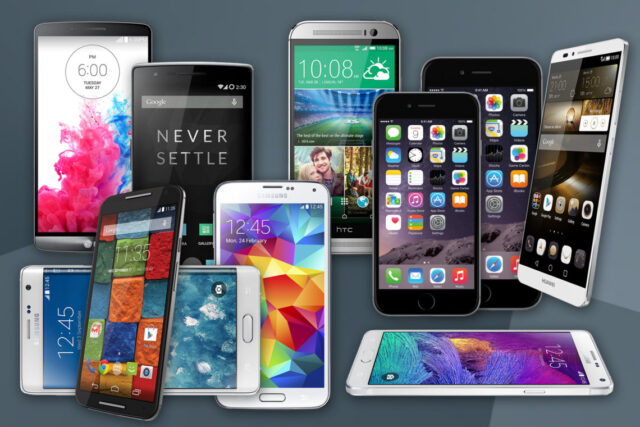
Why Some Gadgets Arrive Nigeria Late
By Agabi Chubiyojo Charis,
There is an argument that gadgets ranging from mobile phones, laptops, smart watches among other take longer to arrive Nigeria. While others have argued against, this should not be dismissed totally because arrival of cutting-edge technology is frequently hindered by complex customs protocols, logistical bottlenecks, and volatile economic conditions.
While the global market moves at the speed of light, the journey to a Nigerian stores is often a marathon of administrative red tape and infrastructure hurdles. From the moment a device leaves a factory floor to the second it lands in a consumer’s hands, several critical friction points dictate a timeline that is often measured in weeks rathe than days.
Key Reasons for Delays in Nigeria:
1. Customs Delays and Inspections: The Nigeria Customs Service (NCS) often holds packages for physical inspections and documentation verification, a process that typically adds 3 to 10 days (or more) to the delivery window.
2. Logistics and Shipping Consolidation: International shippers frequently wait to consolidate enough volume to fill a cargo container or pallet. This pre-shipment sorting phase can take on an extra 3 to 4 days.
3. Foreign Exchange (FX) Instability: The rapid depreciation of the Naira creates a nightmare for retailers. If the exchange rate spikes between the time an order is placed and the time it hits the border, importers often face a funding gap, delaying the release of goods until additional capital is secured.
4. Flight and Freight Schedules: Dependence on commercial international airline schedules means that even ready-to-ship items may sit in a warehouse for 3 to 5 days awaiting the next available flight to Lagos or Abuja.
5. Port and Terminal Congestion: Once the plane touches down, the cargo enters a secondary bottleneck. Congestion at airport terminals and sorting facilities leads to significant delays in offloading and internal handling.
6. Dangerous Goods Requirements: Because most modern gadgets contain lithium-ion batteries, they are flagged as”Dangerous Goods.” This classification demands specialized permits, specific packaging, and restrictive airline space, all of which lengthen the transit time.
Excluding formal logistics, another significant factor is the prevalence of the “Gray Market” and informal shipping routes. Many high-demand gadgets enter Nigeria via individual resellers or small-scale importers who bypass official brand distributorship to avoid high corporate taxes.
While these shippers might offer lower prices, they lack the priority clearance of major tech giants like Apple or Samsung. These smaller players often rely on indirect routing, shipping items first to hubs like Dubai or the UK before forwarding them to Nigeria, which inadvertently doubles the transit time and increases the risk of the product being caught in transit backlogs.