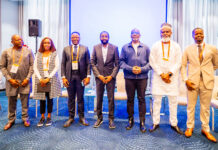
Moniepoint CEO Raises Alarm Over Talent Shortage, Says 500 Roles Remain Unfilled
Tosin Eniolorunda, chief executive officer of Moniepoint, has revealed that the company is facing significant challenges in filling approximately 500 job vacancies due to a shortage of suitably qualified talent in Nigeria.
Speaking at The Platform in Lagos, Eniolorunda disclosed that despite a deliberate shift toward prioritising local recruitment, the firm has struggled to identify candidates who meet its required global standards.
According to him, “We made a strategic decision to focus exclusively on hiring within Nigeria. However, even with about 500 open roles listed on our careers platform, finding the right talent has been difficult.”
He explained that beyond the scarcity of applicants, many of those identified did not meet the level of expertise and competence required for a company operating in a highly competitive global market.
Eniolorunda stressed that Moniepoint competes not only with local firms but also with international players, including companies from Asia, making it essential to recruit world-class professionals.
“We are operating on a global stage. To remain competitive, we must build a workforce that meets international standards,” he said.
The CEO attributed the talent gap partly to systemic issues within Nigeria’s education sector, as well as shifting societal values among young people. He noted that environmental influences—ranging from social media consumption to broader cultural trends—are shaping mindsets in ways that may not support long-term professional development.
He also expressed concern over the growing appeal of internet fraud and the “get-rich-quick” mentality, warning that such trends could be undermining ambition and critical thinking among the youth.
“The quality of reasoning and aspiration appears to be declining compared to previous years,” he remarked.
In addition, Eniolorunda highlighted the impact of the ongoing “japa” wave—the migration of skilled professionals abroad—which continues to drain the country’s talent pool.
Despite Nigeria’s large population, he argued that the country must do more to harness its human capital by promoting sustainable career paths and providing positive role models.
He concluded by emphasising the need for deliberate investment in human capital development and a cultural shift that encourages productivity, innovation, and long-term success.