Organizers of the Global Tech Africa Conference announced Monday that the continent’s technology, industry and investment gathering will move to Kano for its 2026 edition, betting on the ancient commercial city’s location to open a market of more than 350 million people across the Sahel.
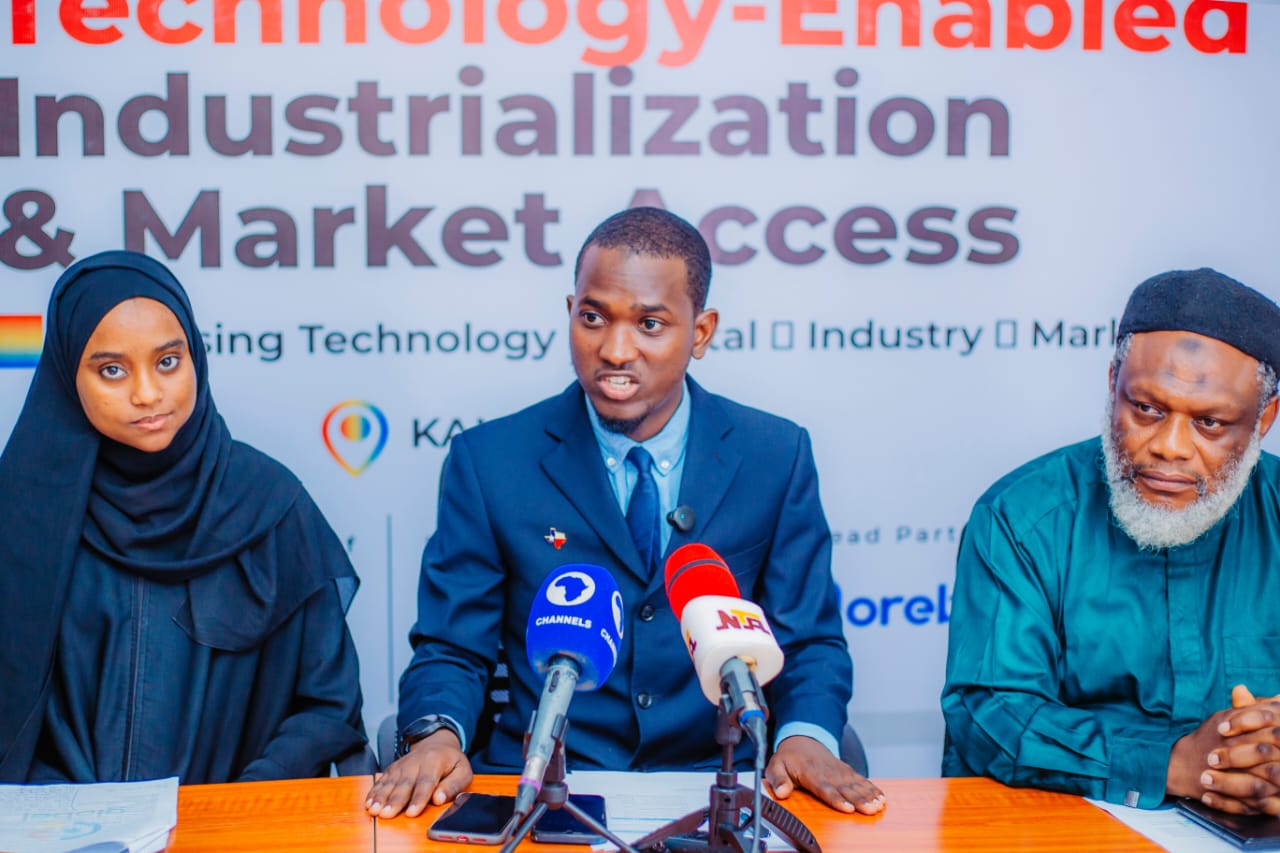
The announcement came at a media briefing held at the National Information Technology Development Agency’s North-West Regional Office in Kano, the first public event ahead of the main conference, which runs from November 3 to 5.
Futuremap Foundation, NITDA and a coalition of partners are convening the event under the theme “Connecting Africa, Accelerating Growth,” with a sub-theme sharpening the focus further: industrialization, market access and what organizers are calling the Sahel Gateway.
That framing marks a deliberate pivot for a platform that built its name in Lagos. The inaugural conference there in 2024 drew more than 6,000 participants, over 100 speakers and upward of 85 sessions, and it helped broker roughly $5 million in trade and investment for businesses and startups, with backing from partners including the United States consulate and the UN Women Group. Moving to Kano trades that coastal, finance-driven audience for a frontier one, positioning the city as the last major Nigerian trading hub before the routes north into Niger, Chad and beyond.
The bet rests on a familiar continental promise given a fresh, regional edge.
Organizers point to the African Continental Free Trade Area, valued in their materials at $3.4 trillion, and argue that the gap between that potential and the reality on the ground is a technology gap as much as a policy one.
Their pitch for Kano specifically names leather and agriculture as value chains ready for digitalization, alongside traceability systems for exporters, digital payment rails for cross-border trade, smart logistics networks and applications of artificial intelligence to manufacturing.
Whether that translates into results this time will be measured against a specific scorecard. Organizers say they are targeting 15 industrial partnerships, 1,000 business-to-business meetings and 10 trade corridor agreements over the three days, along with a pipeline of more than 500 jobs created or committed and three signed sister-city or regional trade memoranda of understanding. The conference is also expected to produce what organizers are calling a Kano Digital Industrialization Accord, though details of what that document will contain were not disclosed at the briefing.
The programme itself is built around access as much as content. Alongside keynotes, fireside chats and panels covering Africa’s digital infrastructure, AfCFTA trade rules and cross-border payments, the schedule includes what organizers describe as decision labs, deal rooms, industrial design sprints and trade simulations, formats meant to push participants from discussion toward deals. Masterclasses on digital infrastructure, startup funding and capital raising round out a programme that also touches on climate innovation and health equity.
Registration is expected to open six weeks before the conference begins.
Organizers say speakers from the Sahel region, alongside government officials, academics, development partners and private sector representatives, are expected to headline the event, though a full speaker list had not been released as of the briefing.