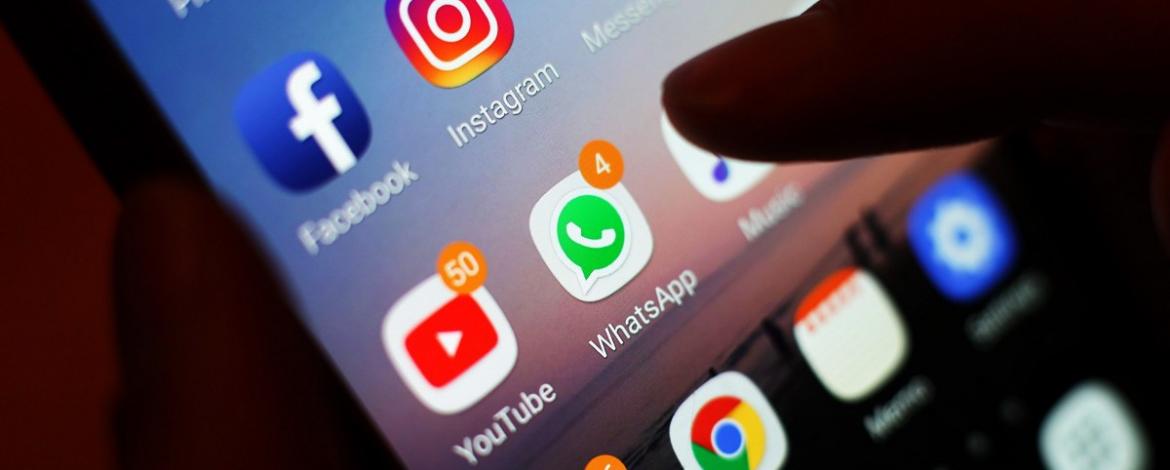
Australia has proposed new rules that would give social media users greater control over the content appearing on their feeds, expanding the government’s push to improve online safety after introducing a world-first ban on social media use by children.
Under draft legislation announced by the centre-left Labor government, social media platforms would be required to notify users about how their feeds are generated and give them a choice over their default settings.
Users would be able to opt in to personalised content recommended by algorithms or choose a non-personalised feed showing posts only from friends, accounts and creators they have deliberately followed.
Prime Minister Anthony Albanese described the proposal, known as “My Feed, My Way,” as a practical reform designed to give Australians greater control while placing more responsibility on technology companies.
“This is sensible, pragmatic, practical reform,” Albanese told reporters, arguing that the rules would give users more choice and hold major technology companies accountable for failing to comply.
The proposal follows growing international scrutiny of recommendation algorithms, which critics say can encourage prolonged and potentially addictive use by continuously directing users towards similar content.
Australia’s approach mirrors elements of the European Union’s Digital Services Act, which has required major platforms since 2024 to provide users with options to switch off profiling. However, European regulators have criticised some platforms for making those choices difficult to find or use.
Under the Australian proposal, platforms would also be required to document measures taken to address risks of harm to users and demonstrate that those measures remain effective over time.
Companies that fail to comply could face penalties of up to A$109.2 million ($79 million), while Australia’s eSafety regulator would oversee enforcement.
The regulator would also receive powers to issue notices requiring technology companies to quickly remove harmful, illegal and nudity-related content.
Free speech advocates, however, have raised concerns that the expanded regulatory powers could lead to excessive content removal or censorship.
Albanese rejected that argument, saying the proposal was intended to give individuals greater control over their online experience rather than expand government control over social media.
The government is expected to consult technology companies, industry groups, civil society organisations and other stakeholders before introducing the legislation to Parliament later this year.