Nigeria Positions for Investment Boom with Sovereign Cloud Strategy
Nigeria is positioning its digital economy for increased private-sector investment by deploying a sovereign cloud strategy designed to convert government policies and regulatory requirements into concrete market opportunities for investors.
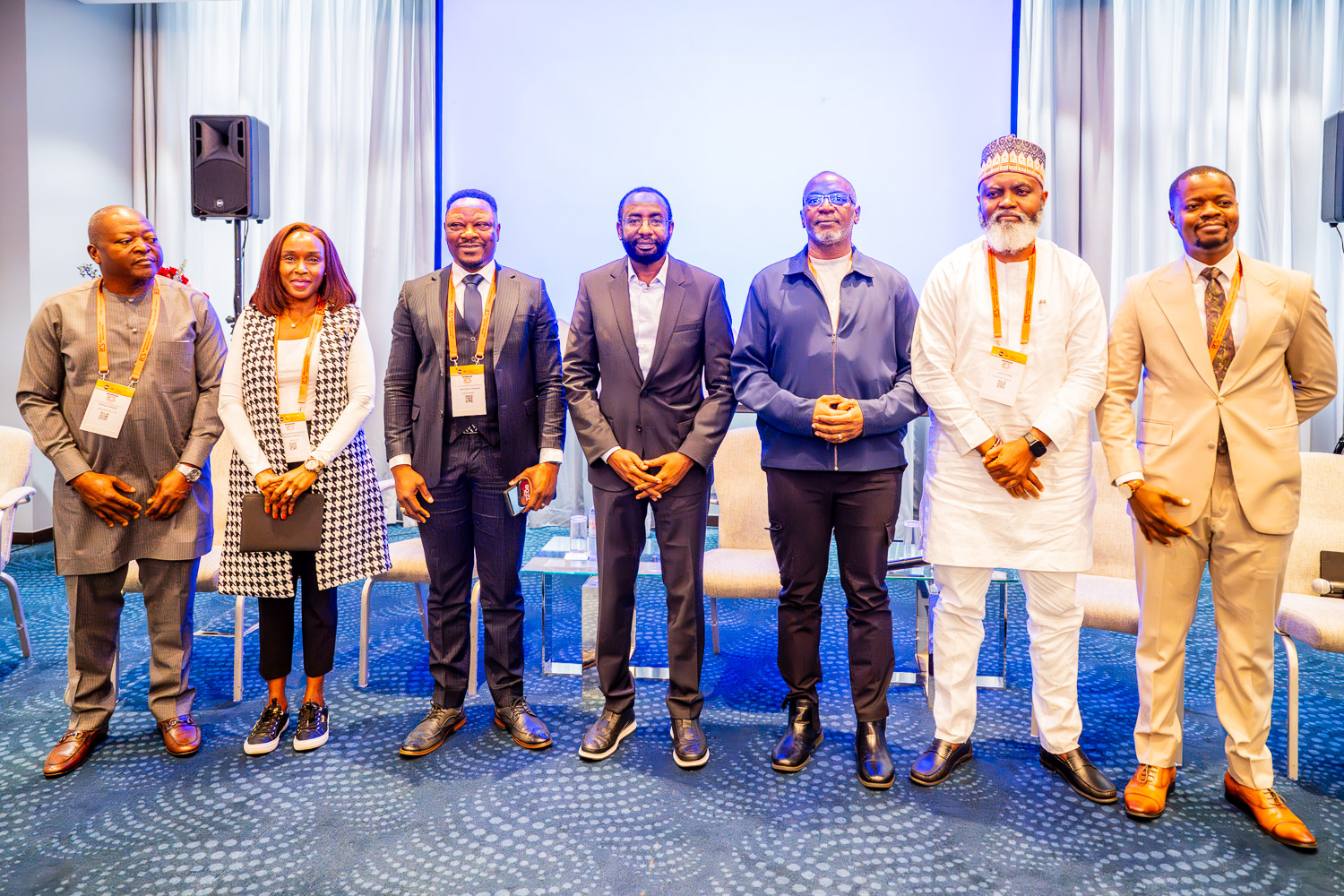
Director-General of the National Information Technology Development Agency (NITDA), Kashifu Inuwa Abdullahi, CCIE, disclosed this during a fireside chat titled “From Policy to Investable Demand” at the Nigerian Workshop on Nigeria’s Digital Infrastructure Opportunity, held as part of ITW Data Cloud Africa 2026 in Nairobi.
The session was moderated by Jay Katatumba, Senior Investment Director, Africa50 Infrastructure Acceleration.
Addressing data centre operators, hyperscalers, infrastructure providers, investors, financial institutions, cloud service providers, and subsea cable and fibre connectivity companies, Inuwa said Nigeria was moving beyond the traditional role of government as a regulator to become an active enabler of digital markets.
He explained that the National Cloud Infrastructure Strategy was designed to bridge the gap between public policy and private capital by creating predictable demand capable of supporting long-term investment in digital infrastructure.
According to him, a thriving technology ecosystem depends on interconnected clusters involving higher institutions that develop human capital, entrepreneurs who commercialise innovations, corporations that absorb talent and solutions, risk capital that supports market expansion, and government, which provides a stable regulatory environment.
He said NITDA’s regulatory interventions were increasingly focused on creating markets, stimulating local innovation and protecting consumers.
On how investors could translate policy alignment into revenue-backed opportunities, Inuwa highlighted demand-generation measures, including the Central Bank of Nigeria’s directive requiring domestic processing of financial transactions.
He said frameworks such as the National Digital Cloud Policy and its investment roadmap were intended to provide clearer pathways for private capital to enter the Nigerian market, develop local data centres and expand the country’s digital talent base.
The NITDA chief also addressed concerns about power supply and the impact of increased data processing on the national electricity grid.
He said digital infrastructure operators would not be required to rely exclusively on the national grid, noting that existing regulatory frameworks permit operators to deploy captive power solutions, including renewable energy, gas-fired generation and Independent Power Purchase Agreements.
Kashifu further advocated hybrid cloud architectures as a practical mechanism for maintaining business continuity while organisations transition toward greater domestic data processing.
Under such arrangements, he explained, organisations could utilise public cloud infrastructure for certain workloads while retaining sensitive information in locally controlled facilities.
He stressed, however, that localisation requirements were particularly important for sovereign data, including sensitive financial, health and intelligence information, because of their implications for national security, economic stability and citizen protection.
Kashifu said Nigeria’s digital infrastructure investment opportunities extended across the entire technology stack, particularly connectivity, cloud computing and artificial intelligence.
He pointed to Project Link as part of government efforts to expand broadband connectivity across the country, arguing that widespread connectivity would help ensure citizens and businesses are digitally represented in emerging automated systems.
At the same time, he said the National Sovereign Cloud Initiative would provide the computing infrastructure required to support local artificial intelligence workloads.
According to him, sovereign AI capacity is becoming increasingly important as automated systems play growing roles in areas such as credit assessment, healthcare resource allocation and judicial processes.
He maintained that Nigeria’s strategy was therefore not limited to building data centres but involved creating an interconnected digital ecosystem in which connectivity, computing capacity, human capital, innovation and investment reinforce one another.
The NITDA DG said Nigeria’s efforts were already attracting international recognition, citing global benchmarks that place the country 38th worldwide in AI governance and policy.
He also referenced the International Monetary Fund’s assessment of Nigeria’s position in Africa’s emerging AI economy.
Kashifu called on global technology companies, infrastructure developers, financial institutions and other private investors to explore the opportunities emerging from Nigeria’s digital infrastructure agenda.
He said the Federal Government was prepared to work with private capital to develop secure, scalable and sustainable digital infrastructure capable of serving Nigeria and the wider African market.
The engagement in Nairobi forms part of Nigeria’s broader effort to present its digital infrastructure agenda as an investable opportunity, with sovereign cloud, connectivity and artificial intelligence positioned as key pillars of the country’s next phase of digital transformation.